POWER TRANSMISSION PARTS
Transmission Components: Gears, Racks, Worms & Timing Pulleys
Machined transmission parts made to your drawing in Shenzhen, China, from a single prototype to repeat batches. Share the tooth data, bore and datum scheme, material and heat treatment, and we review manufacturability and inspection before quoting.
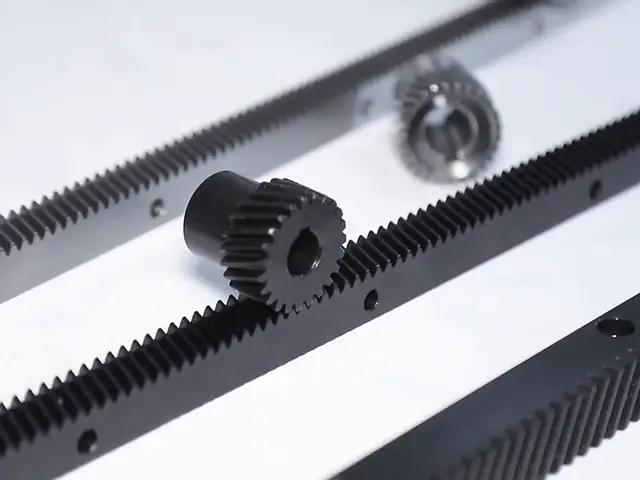
GEARS & RACKS
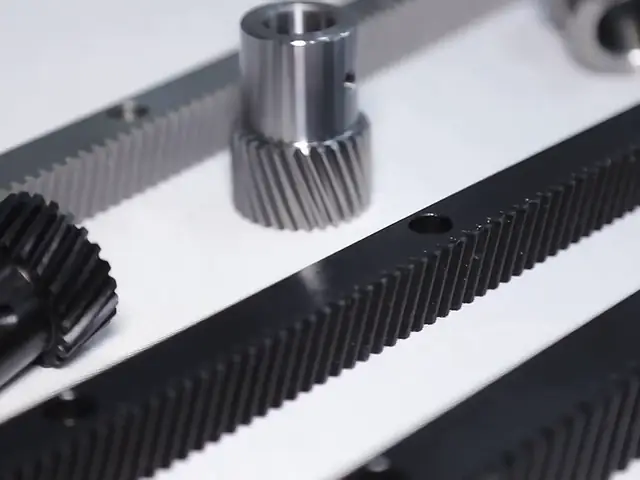
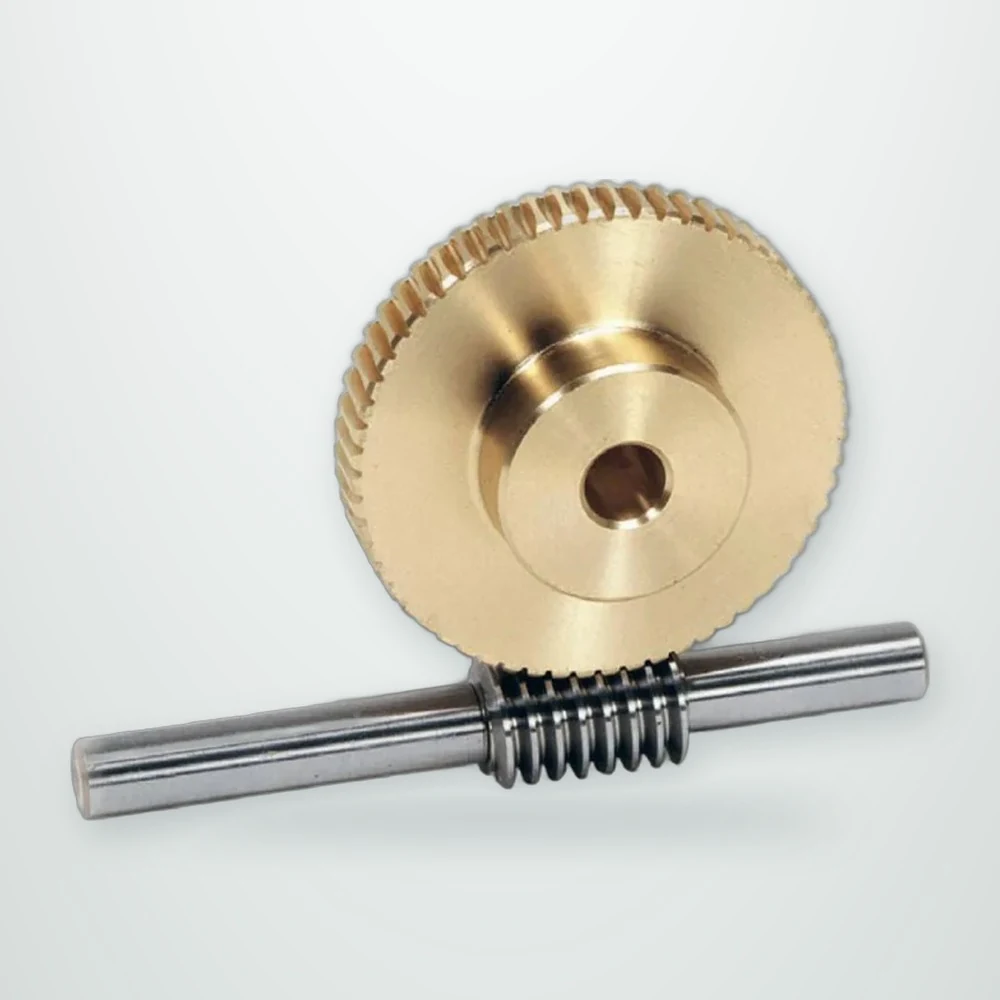
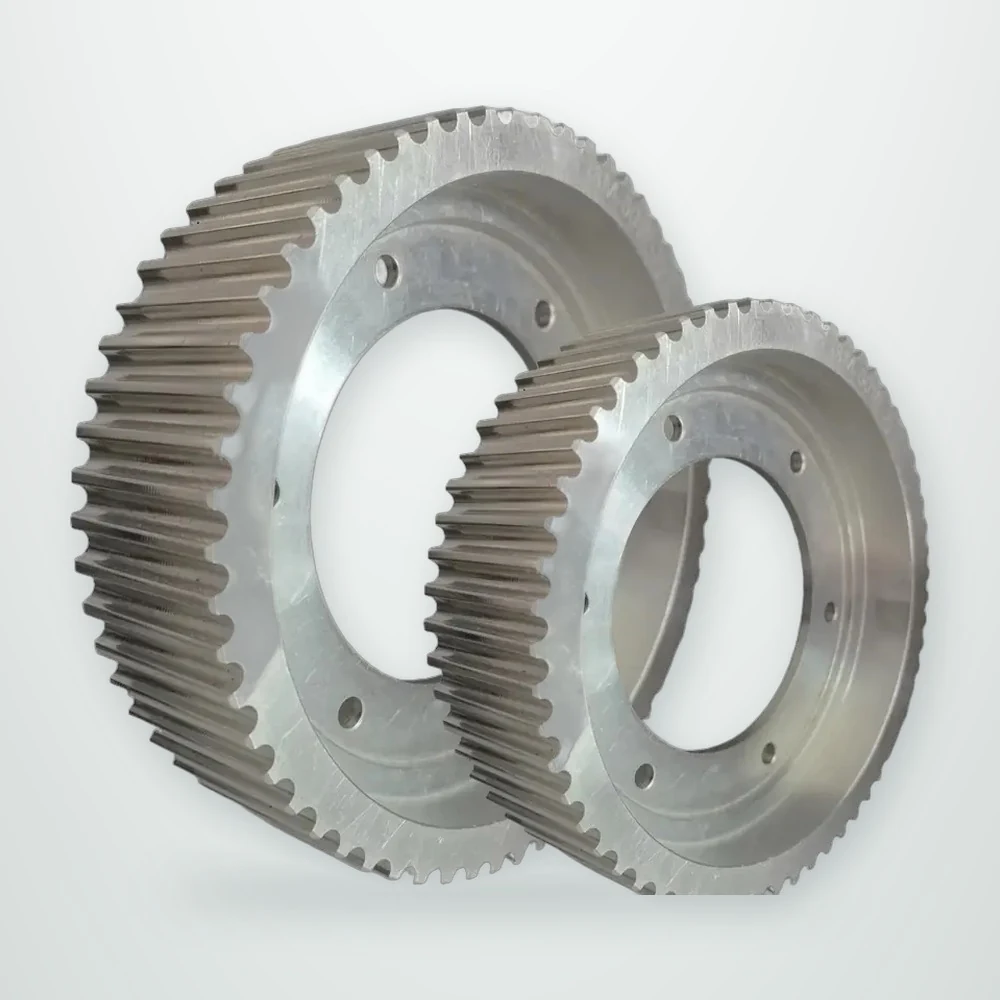
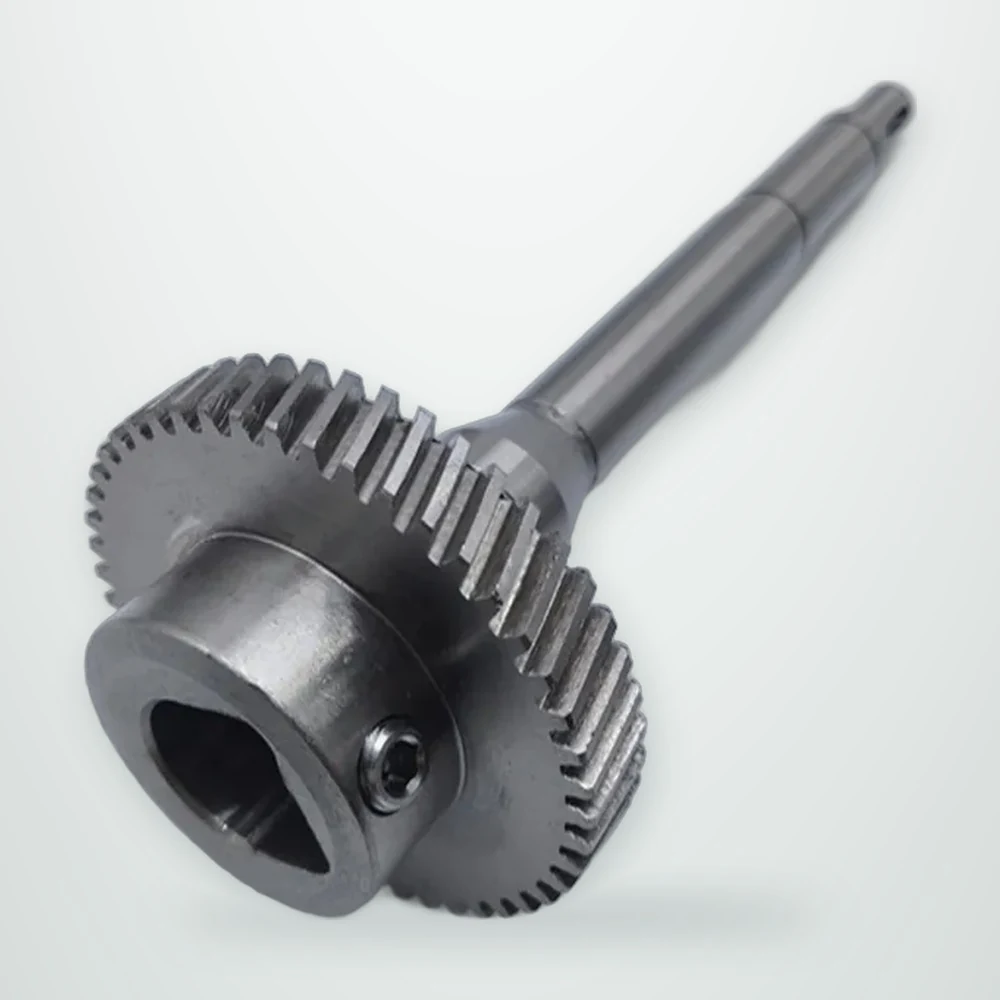
Gears, racks and the parts around them.
Typical requests include the families below.
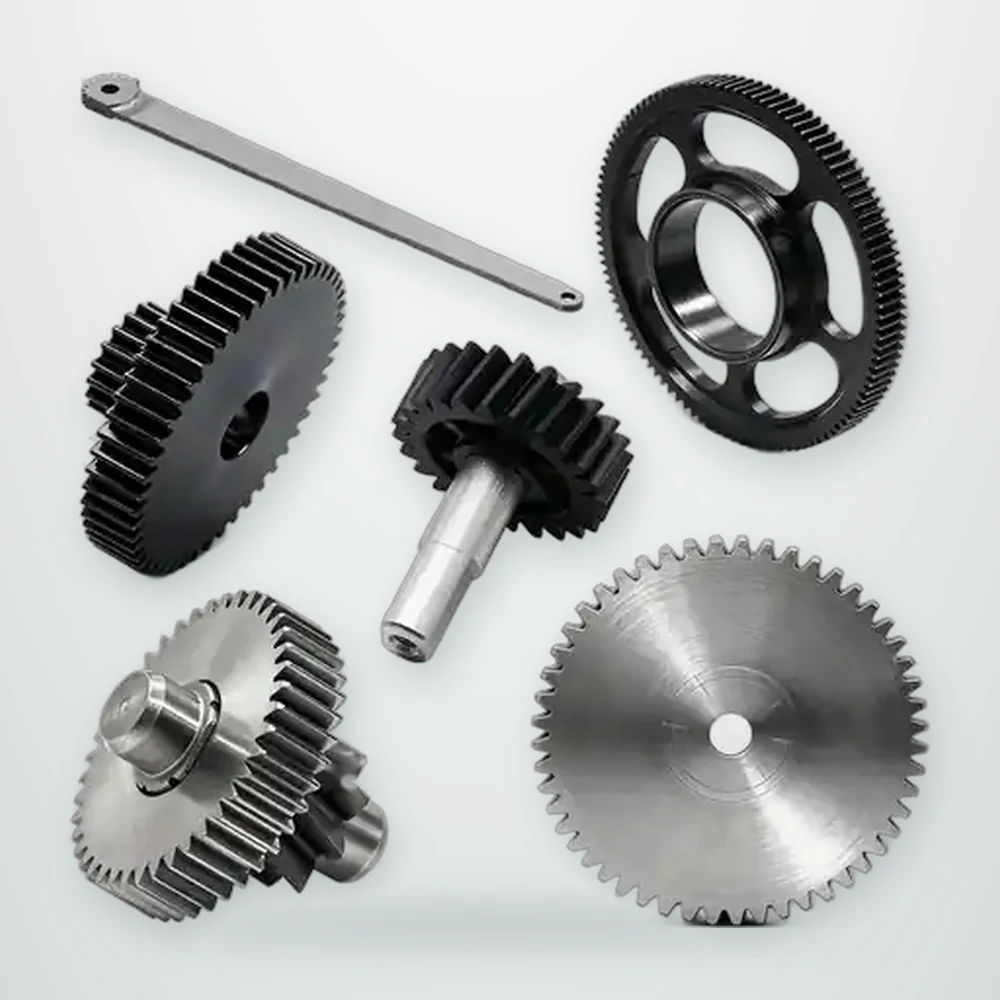
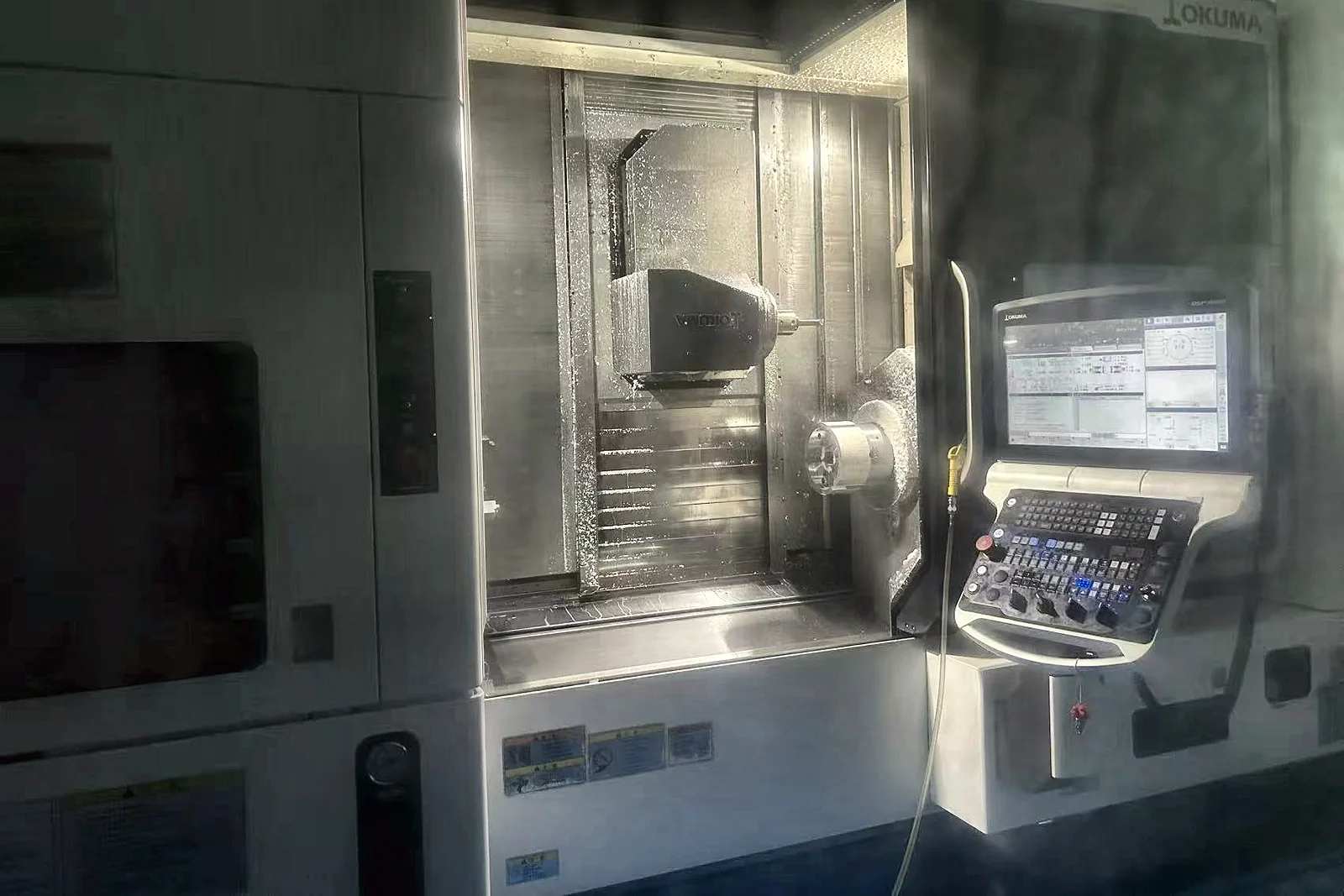
BLANKS & SECONDARY FEATURES
Blanks, bores, keyways and flats on CNC machines.
Gear blanks, hubs, shafts and housings are typically prepared on CNC lathes and machining centers, with wire EDM available for suitable profiles.
- Turned blanks, bores and shaft journals
- Milled keyways, flats, cross holes and mounting features
- Pulleys, sprockets and hubs for robotics and automation equipment
- Prototype quantities and repeat orders
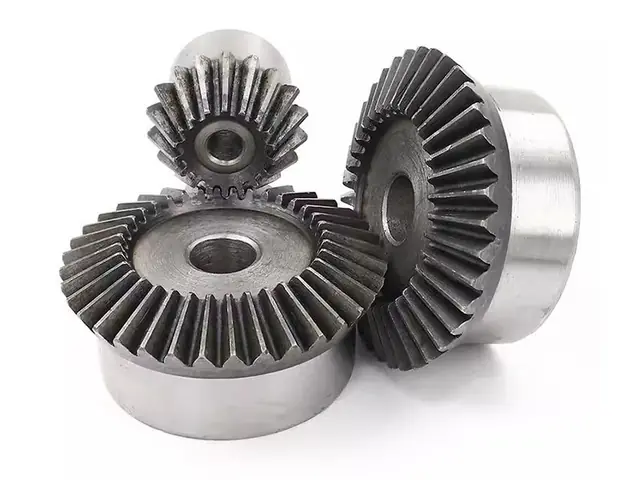
PART EXAMPLE
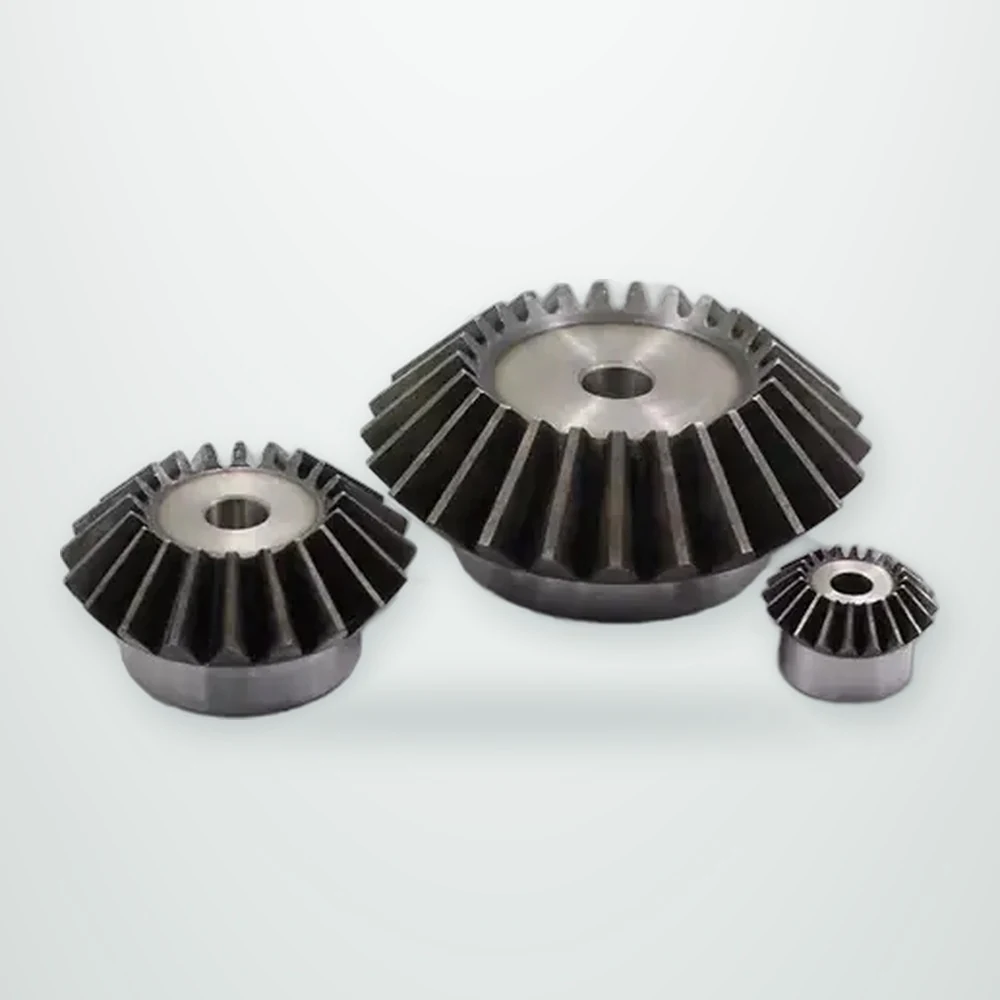
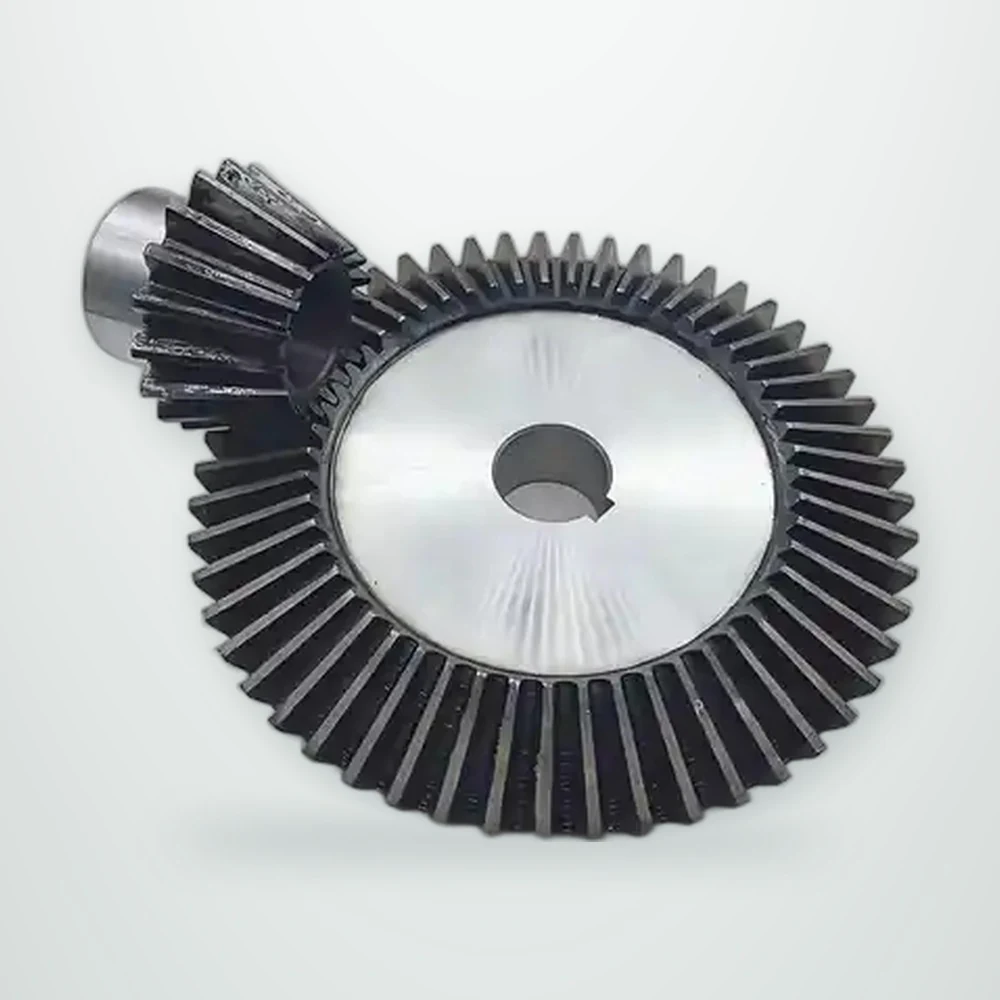
Straight bevel gear pairs.
Matched pinion and gear pairs for 90 degree drives, cut and checked as a pair so the tooth contact holds once mounted.
- All gears in 42CrMo4 (1.7225) alloy steel
- H7 bores, with keyways or set-screw holes on the hubs
- Tooth runout checked against the bore, general tolerance ISO 2768-m
TOOTH DATA & DATUMS
Control tooth data, datums and heat-treat distortion.
Tooth data and accuracy
State module, tooth count, pressure angle, helix angle and the accuracy class or standard your drawing calls for.
Bore and datum scheme
Call out fitted bores and journals (for example H7 bores and h6 shaft seats) and the datum the teeth are measured against, so runout is checked from the right reference.
Heat treatment allowance
Name the material grade (for example 42CrMo4) and heat treatment. If teeth are hardened, say whether finishing after heat treatment is required so allowance and route can be planned.
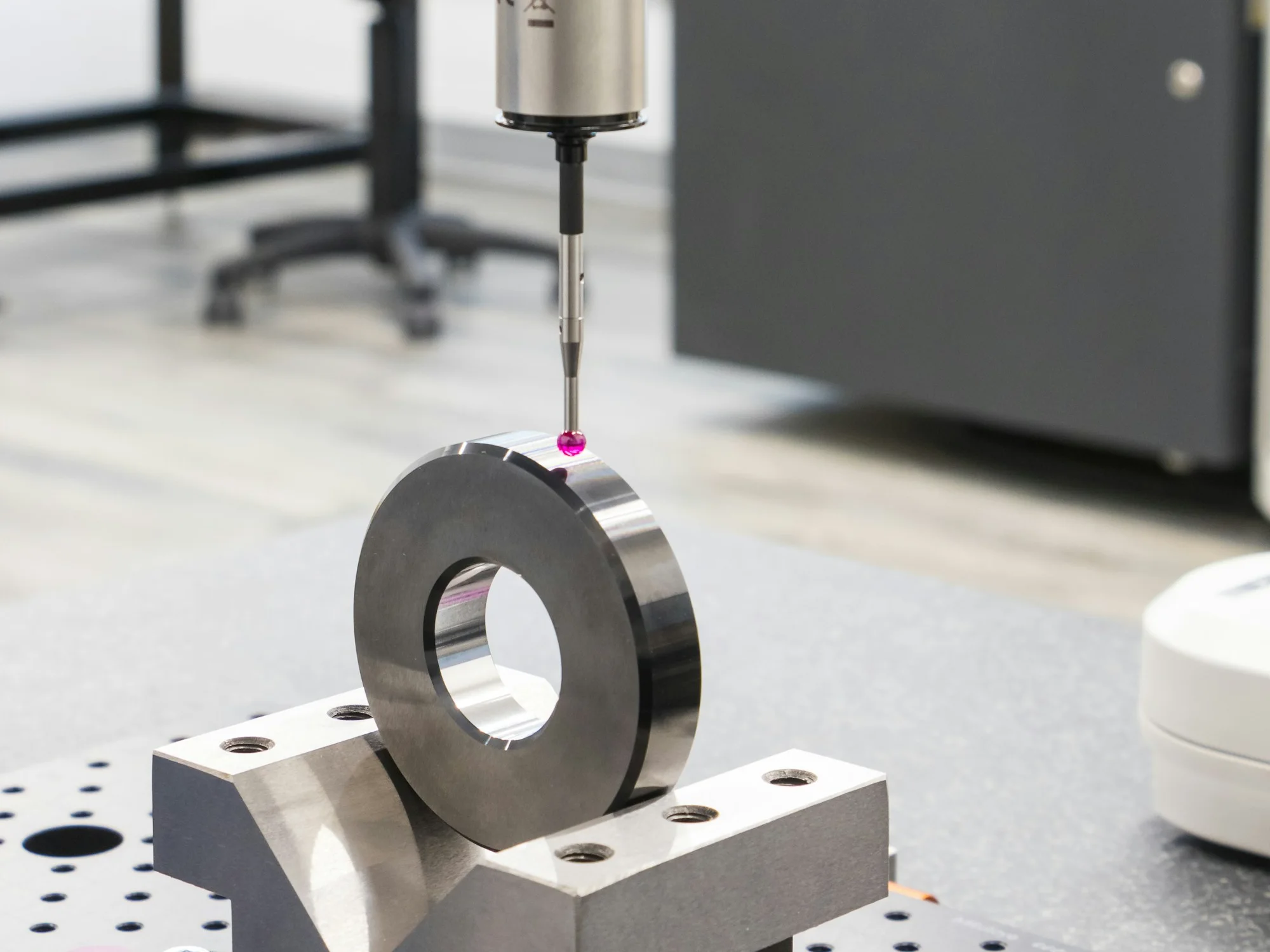
DRAWING, MATERIAL & INSPECTION
Tell us what controls the mesh.
The drawing should state the gear data and the accuracy class or tolerances you need. We confirm the route and inspection method with you before production.
- Tooth data, accuracy class or standard, and datum bores
- Material, heat treatment and surface requirements
- Hub features such as set-screw holes, keyways and general tolerance (for example ISO 2768-m)
- Backlash, mating part and assembly notes where relevant
- Quantity, prototype or repeat order
RELATED
Often ordered together.
Related engineering guides
Part examples made to drawing: straight bevel gear pairs and a stainless steel drive shaft.
Custom gears and transmission parts FAQ
Can you make custom gears in small quantities?
Yes. Prototype quantities and repeat orders are both quoted. Blanks are grouped by module and size so tooth cutting is set up as few times as possible, which keeps small batches practical. One example is a matched straight bevel gear pair for a 90 degree drive.
Which gear types and transmission parts do you machine?
Spur and helical gears, straight and spiral bevel gears, racks, worms and worm wheels, timing pulleys and sprockets, plus the gear shafts, hubs and plates that carry them. Blanks, bores, keyways and flats are machined on CNC lathes and machining centers.
What should a gear drawing include for an accurate quote?
Module, tooth count, pressure angle, helix angle and face width; the accuracy class or standard; the datum bores the teeth are measured from (for example H7 bores); material and heat treatment; backlash or mating part notes; and the quantity.
Can hardened gears be finished after heat treatment?
Name the material grade, for example 42CrMo4, and the heat treatment. If the teeth are hardened, state whether finishing after heat treatment is required, so the machining allowance and route are planned before production.
How are custom gears inspected?
Bores are checked with plug gauges against the fit limit, tooth runout is measured on a mandrel through the bore, and tooth data, keyway width and general dimensions are recorded on the inspection report.
LET’S TALK ABOUT YOUR PART
Send the gear or shaft drawing.
Include the module, number of teeth, accuracy grade and the mating parts. We will check the tooth data and say which features need hobbing, shaping or grinding. Or email the drawing to info@tovilon.com.