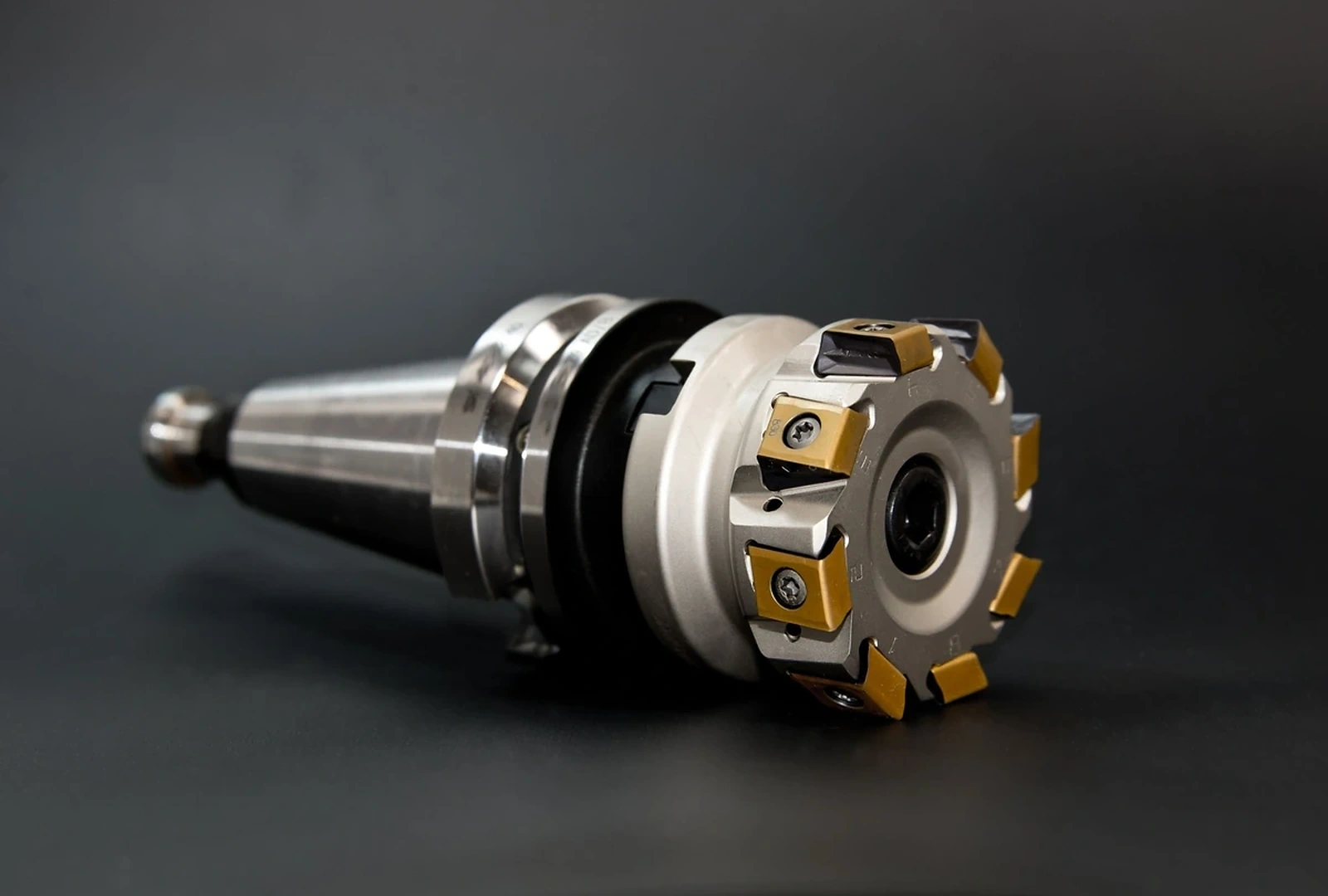
Engineering guides on CNC milling vs turning, 6061 vs 7075 aluminum, tolerances on bearing seats and hole patterns, anodizing allowances, DFM and SLM metal printing.
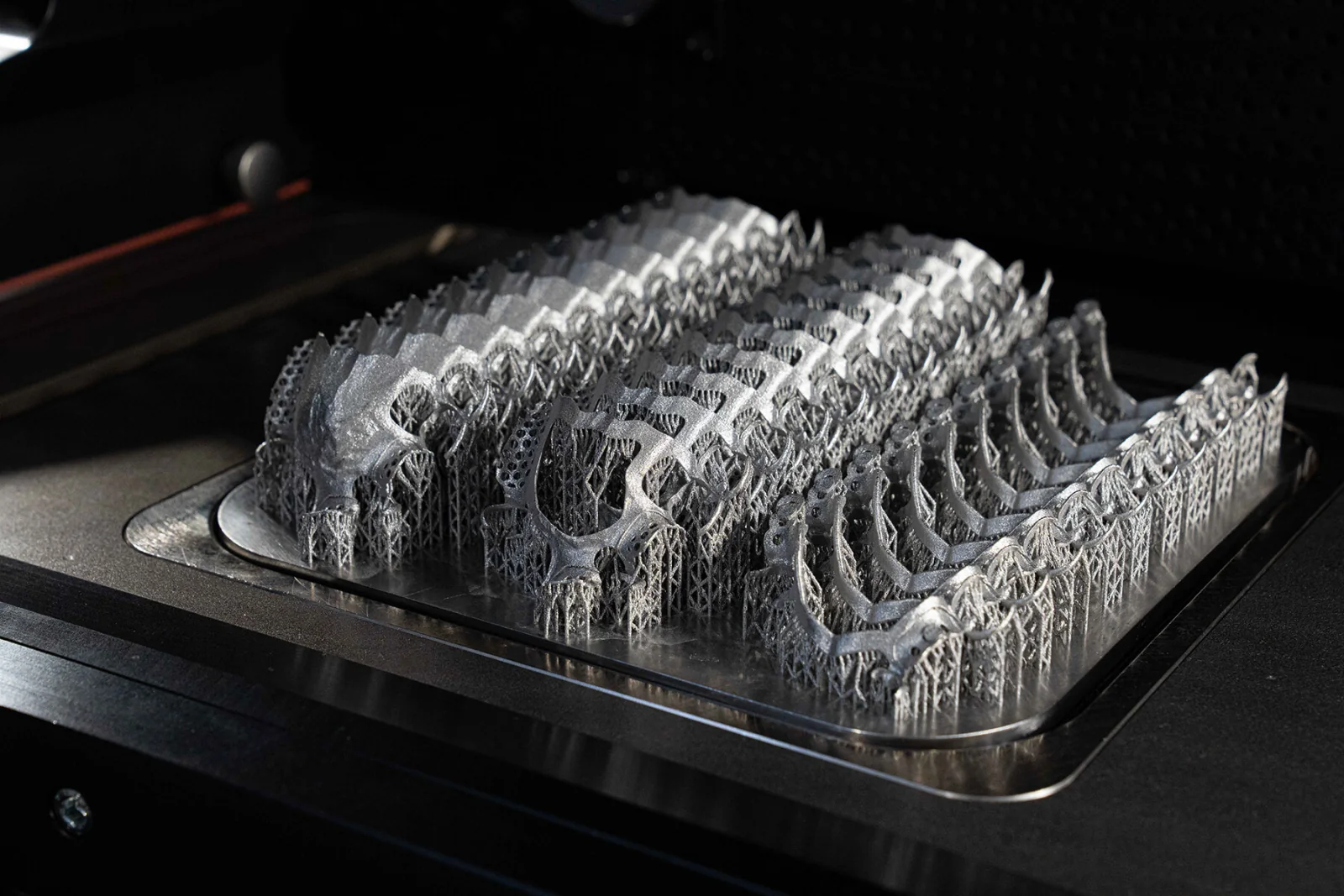
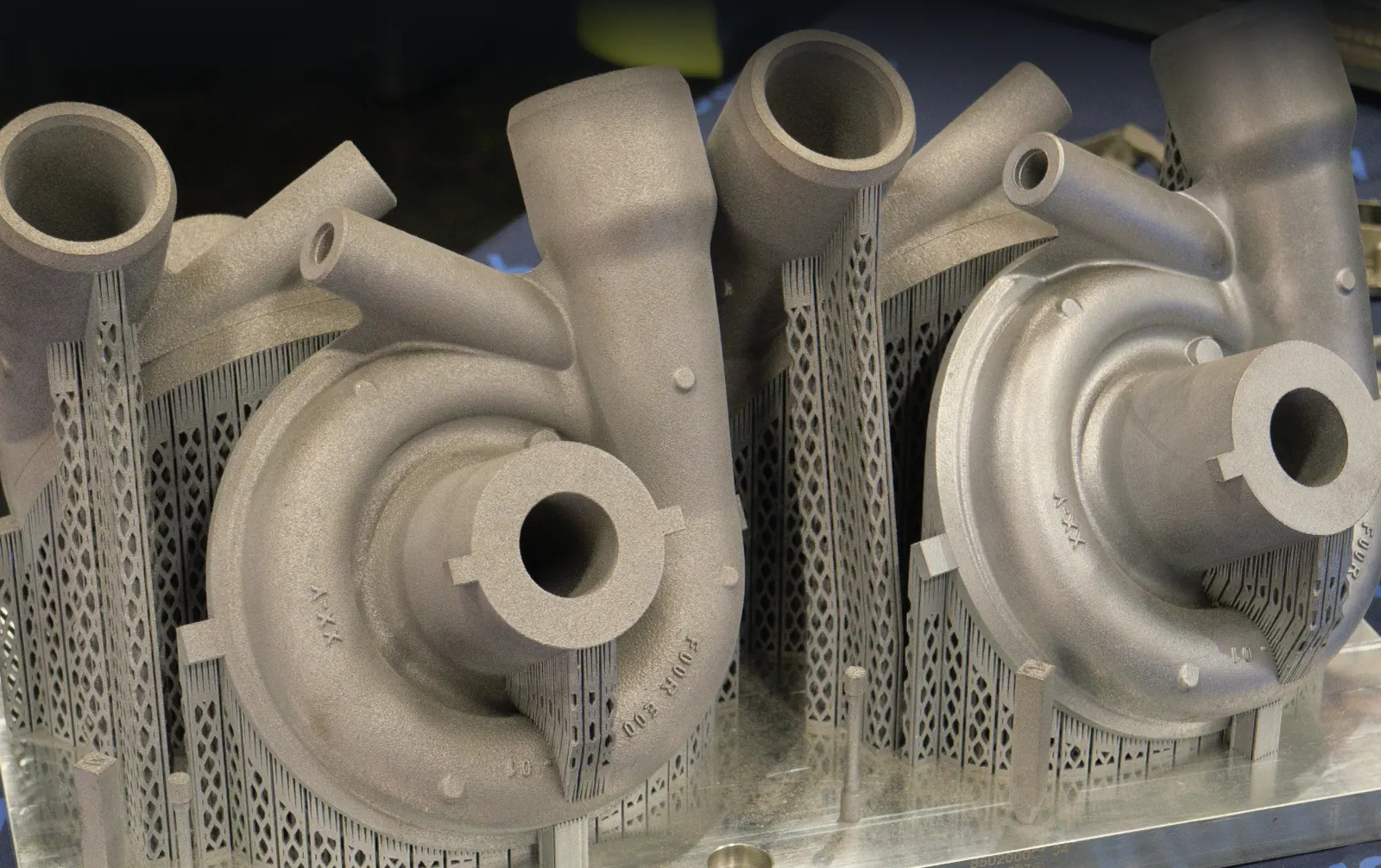
How small SLM printed metal parts are prepared for CNC finishing: which features to machine, how much stock to add, using the build plate and supports as the fixture, carrying datums from printer to machine, and when machining from solid is the better choice.
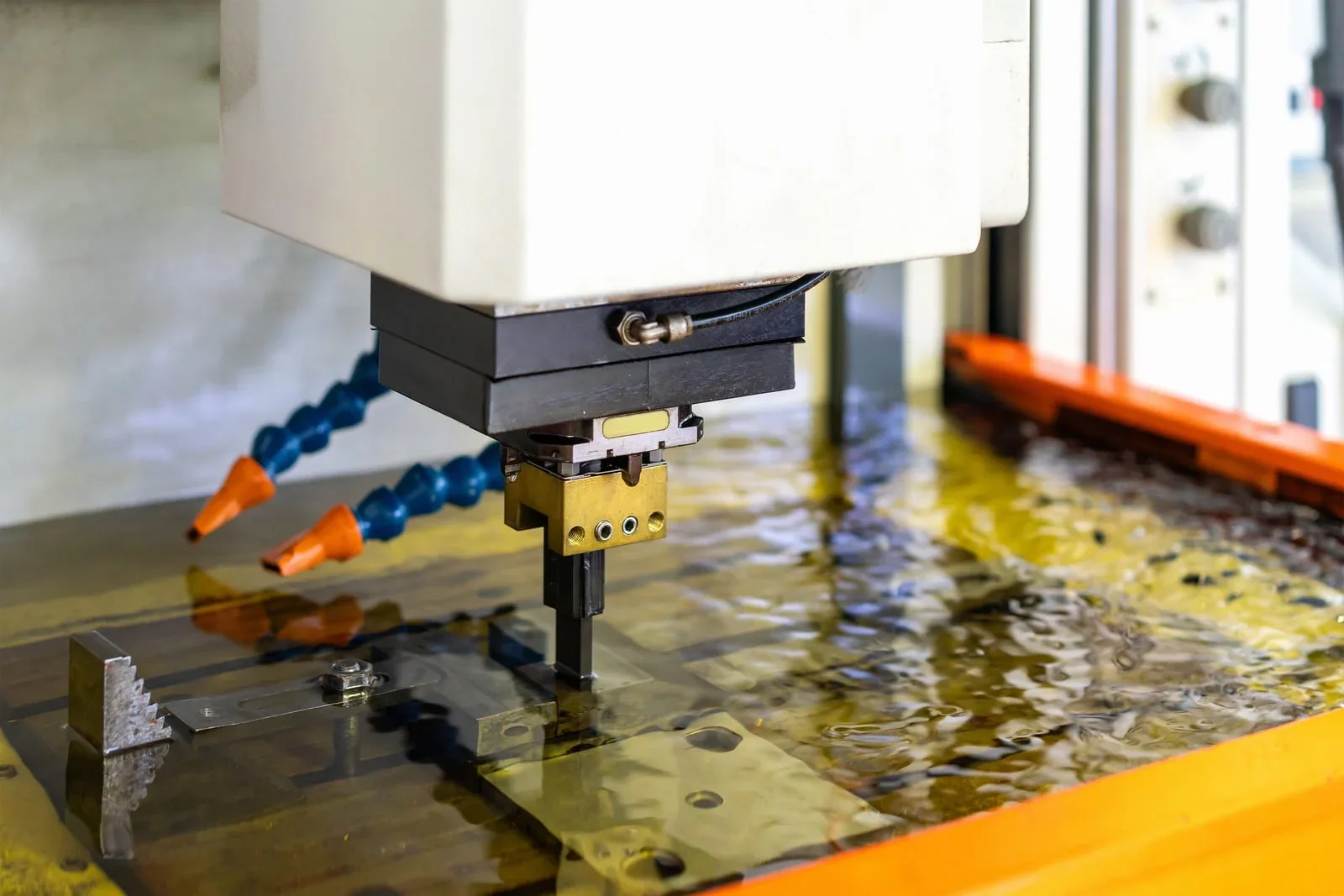
Why fine mold details are lost in EDM even when the cavity reaches depth: electrode wear, spark gap, electrode count, flushing in small holes, functional textures, and how each step is checked from electrode to T1 sample.
Why SLM metal parts end up porous: lack of fusion, keyhole and gas pores, the laser settings and powder condition behind them, and where HIP and CNC finishing help and where they cannot.
What a DFM review of a CNC part should hand back: drawing issues marked with a proposed change and an owner, the nine principles behind them, and how quantity decides the route.
How material lots, setups, tool wear and measurement affect repeat orders, and how to keep every batch within the limits approved at first article inspection.
What an approved CNC prototype has not yet released: a checklist for drawing revision, fits adjusted at assembly, material, finish, machining sequence and inspection, plus a deviation record and first article on the production route.
The drawing issues that hold up a CNC quotation: model and drawing at different revisions, position tolerances without datums, finish notes without thickness or masking, and how to write each one clearly.
What to include in a CNC machining RFQ: 3D model and drawing, revision, material and temper, quantities, tolerances and datums, threads, finish and inspection documents, and the gaps that most often delay a quote.