CNC TURNING
CNC Turning Services for Shafts, Bushings and Sleeves
CNC turning services for shafts, bushings, sleeves and flanges, from 1 piece to repeat batches. On a turned part the bearing journals and their runout often decide the route: whether a diameter can be finished on the lathe, or is better ground after heat treatment.

TYPICAL TURNED PARTS
Shafts, sleeves and fitted rotating components.
Define the diameters, bearing fits, threads and shoulders that control your assembly.
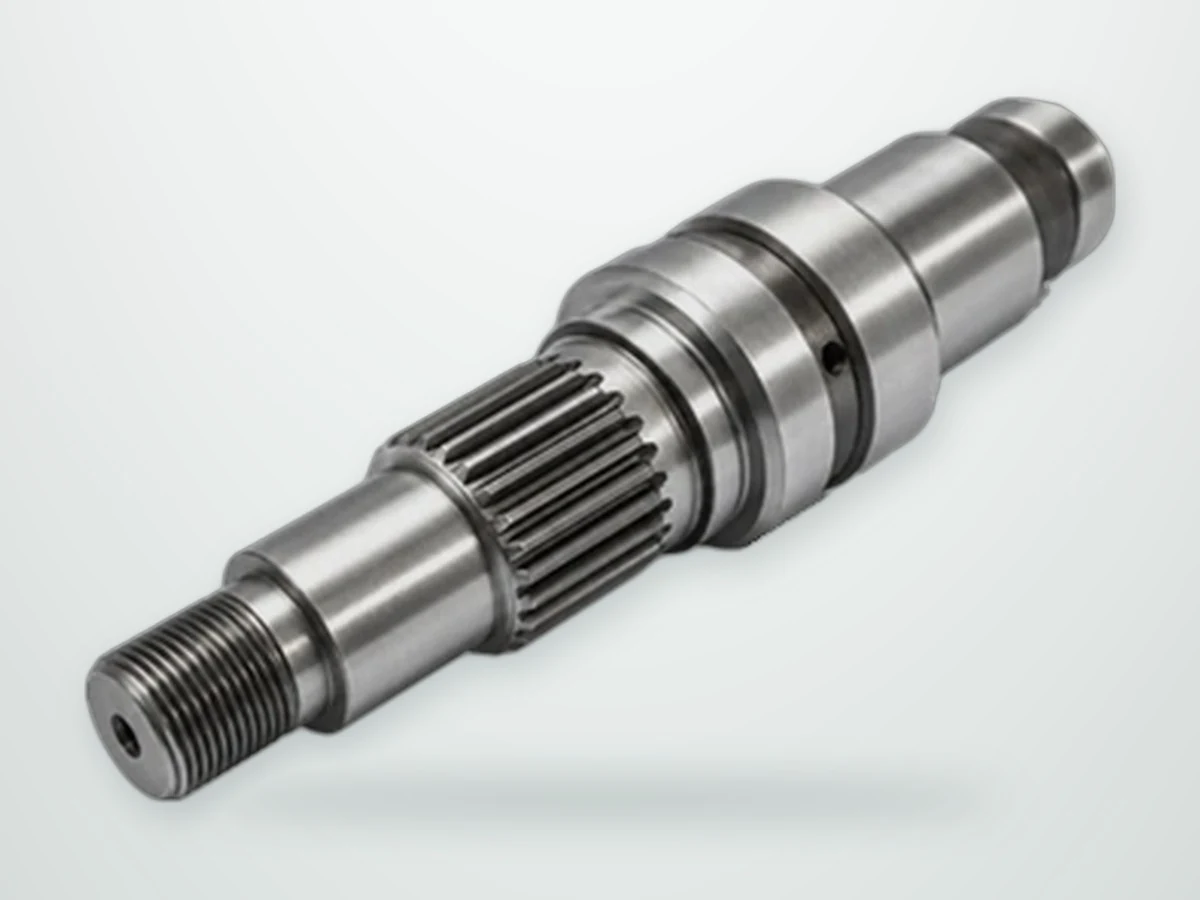
Precision Shafts
Concentric diameters and shoulders for mechanical assemblies.

Sleeves & Tubes
Cross-drilled sleeves and tubes, with the bore held to the outside diameter.

Bushings & Fittings
Brass and steel bushings and fittings, with threads, bores and faces to the drawing.

Mechanical Spacers
Lengths and seating faces for assembly positioning.

Bearing-Related Parts
Shaft and housing interfaces with specified fit requirements.
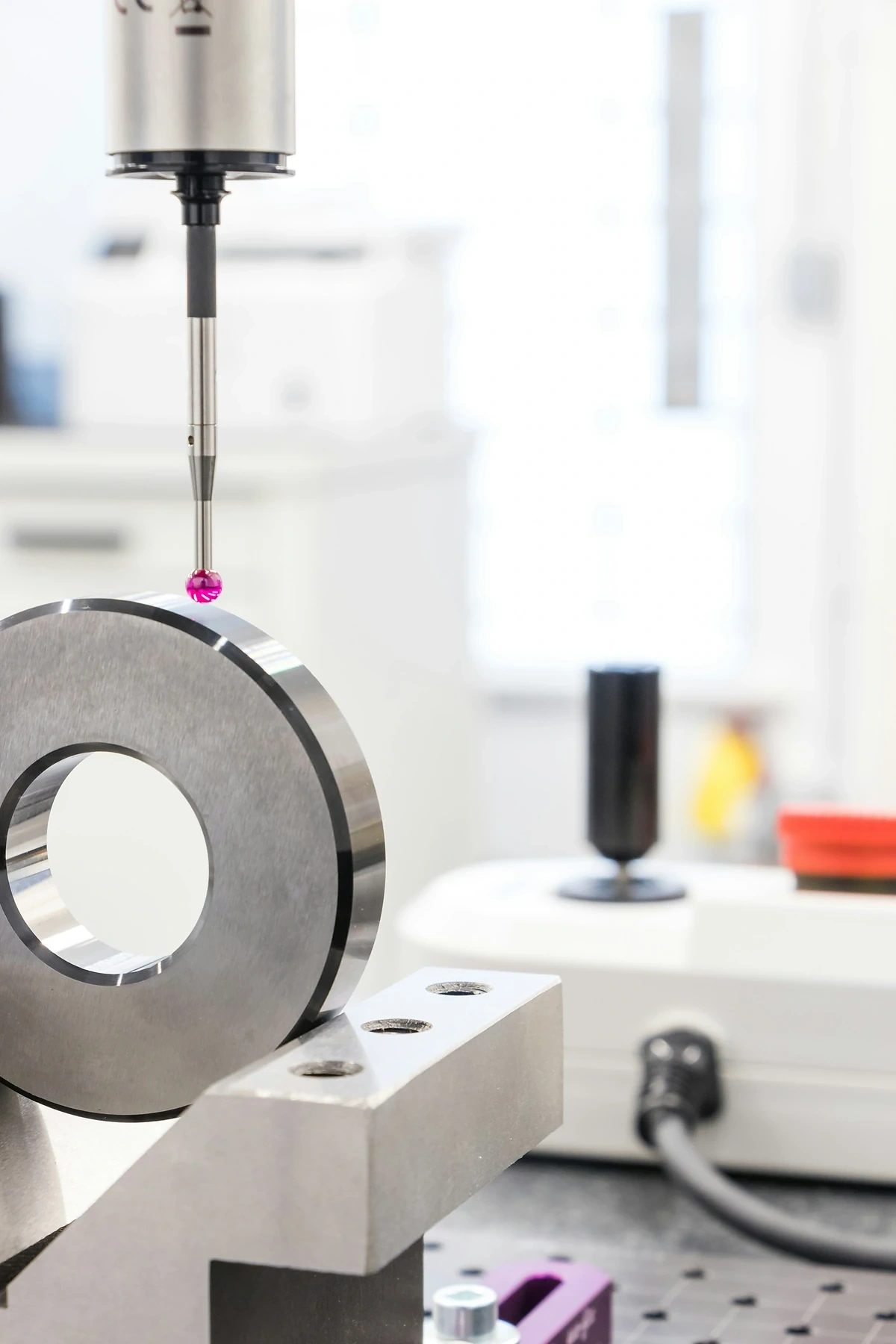
MEASURING DIAMETERS
Verify the diameters that control fit.
Dimensional inspection checks the fit-critical bores, diameters and datum relationships specified on the drawing. The measurement method is selected for each feature; acceptance is agreed before production.
- Precision shafts and pins
- Bushings and sleeves
- Threaded inserts and mechanical spacers
FITS & RUNOUT
Control fits, runout and tool clearance.
Tool clearance
Specify thread reliefs, shoulder undercuts and internal features so tool access can be reviewed.Runout & concentricity
Identify functional datums and runout requirements; slender features also need review for deflection during cutting.

STEELS, BRASS & SURFACES
Specify material, surface and diameter acceptance.
Stainless and carbon steels suit many load-bearing turned parts. Aluminum can reduce weight, while brass and engineering plastics may be useful for electrical, corrosion, or low-friction applications.
- Turning can leave a clean as-machined surface. Plating, passivation, anodizing for aluminum, or polishing may be considered when the part’s use calls for it.
- Diameter, roundness-related fit, thread form, and key lengths can be inspected according to the agreed drawing and part function.