ROBOTICS · AUTOMATION · CUSTOM CNC PARTS
Robot Joint Housings, Arm Links and End-of-Arm Tooling Parts
Custom CNC machining for robotics in Shenzhen, China, from 1 piece to repeat batches. Most of the parts are joint housings, arm links and gripper or end-of-arm tooling components, shown below. On joint housings the bearing bores and mounting faces usually need to be cut in one clamping to stay aligned, and the rest of the route is planned around that.
ROBOTICS COMPONENT SUPPLY
Common Robotics Components
Typical robot parts, with the features that usually decide the machining route.
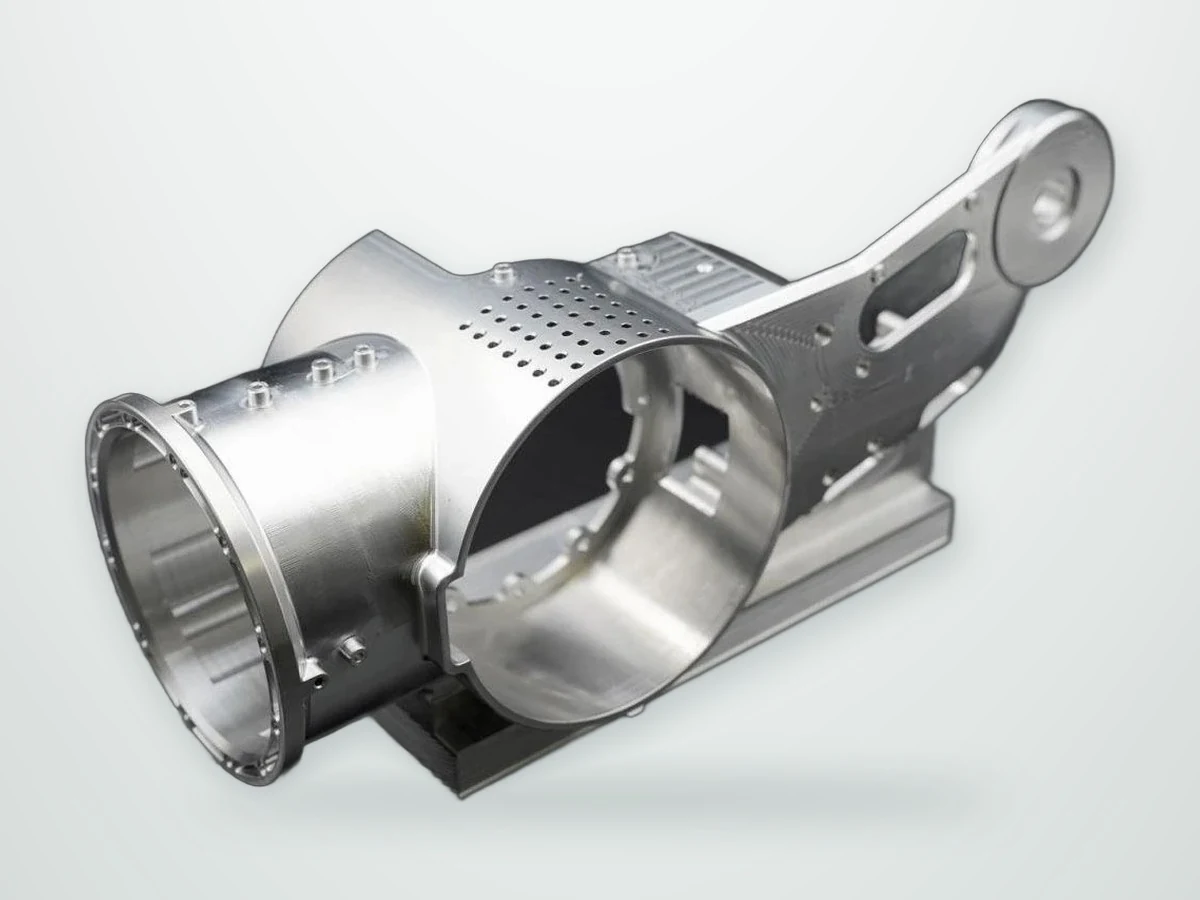
CNC-Machined Robot Joint Housings
Aluminum or stainless steel · CNC milling and turning.
Application: Motor interfaces and bearing seats in robot joint assemblies.
Manufacturing focus: Bearing fits, coaxial bores and flange mounting patterns.
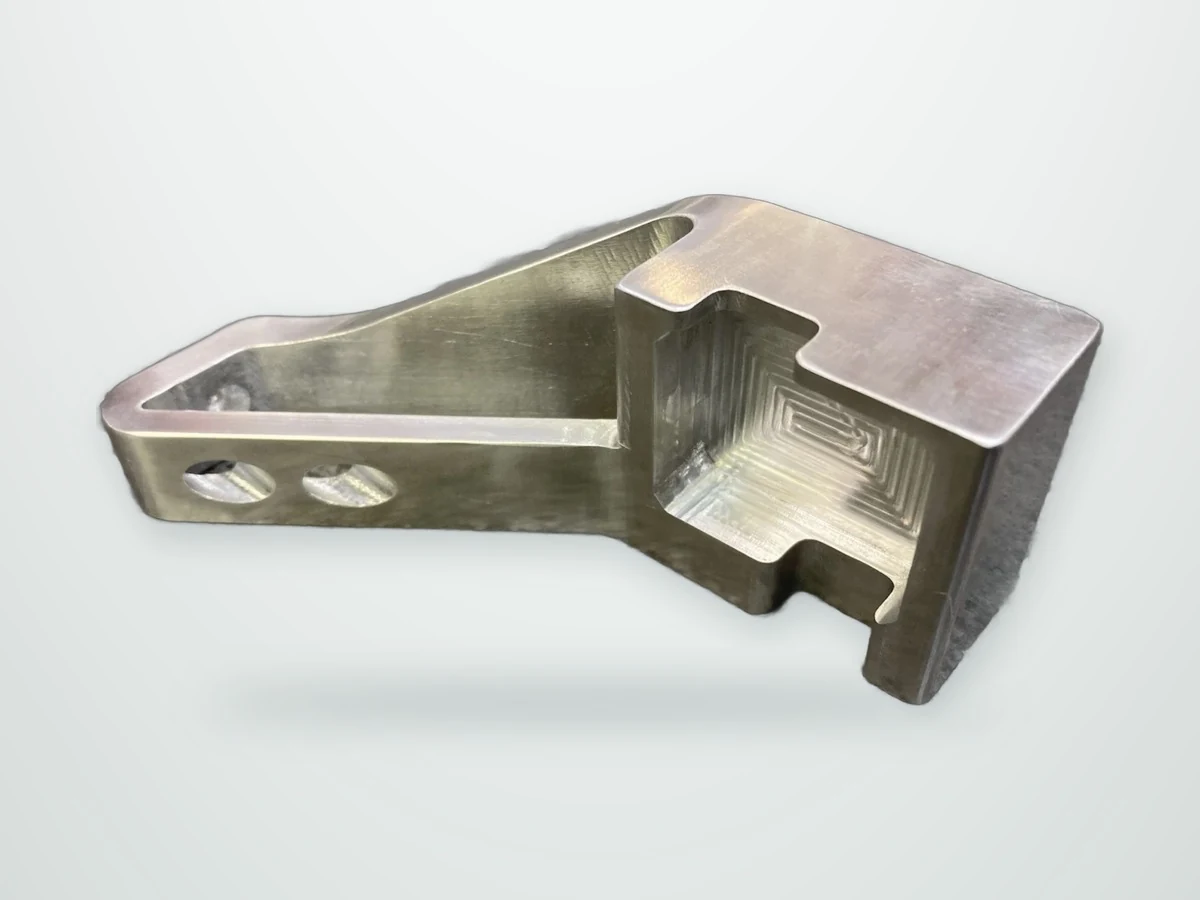
Machined Gripper Fingers & Jaws
Aluminum, stainless steel or engineering plastics · CNC machining.
Application: Custom fingers, jaws and mounting interfaces for robot grippers.
Manufacturing focus: Contact geometry, jaw alignment and clearance through the gripping motion.
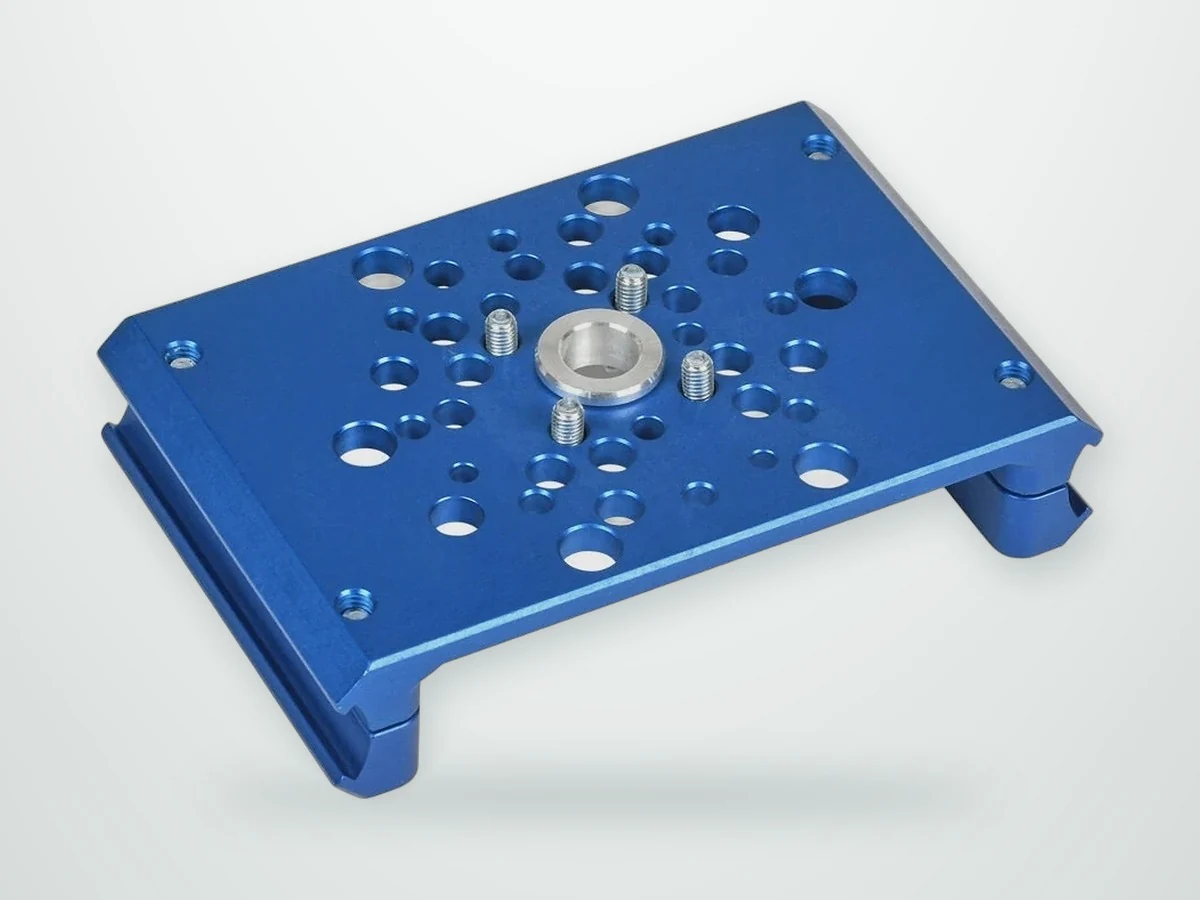
Custom End-of-Arm Tooling Components
Aluminum or stainless steel · Milling, drilling and finishing.
Application: Robot wrist adapters, tool mounting plates and locating interfaces.
Manufacturing focus: Flange hole patterns, locating features and clearance for tooling services.
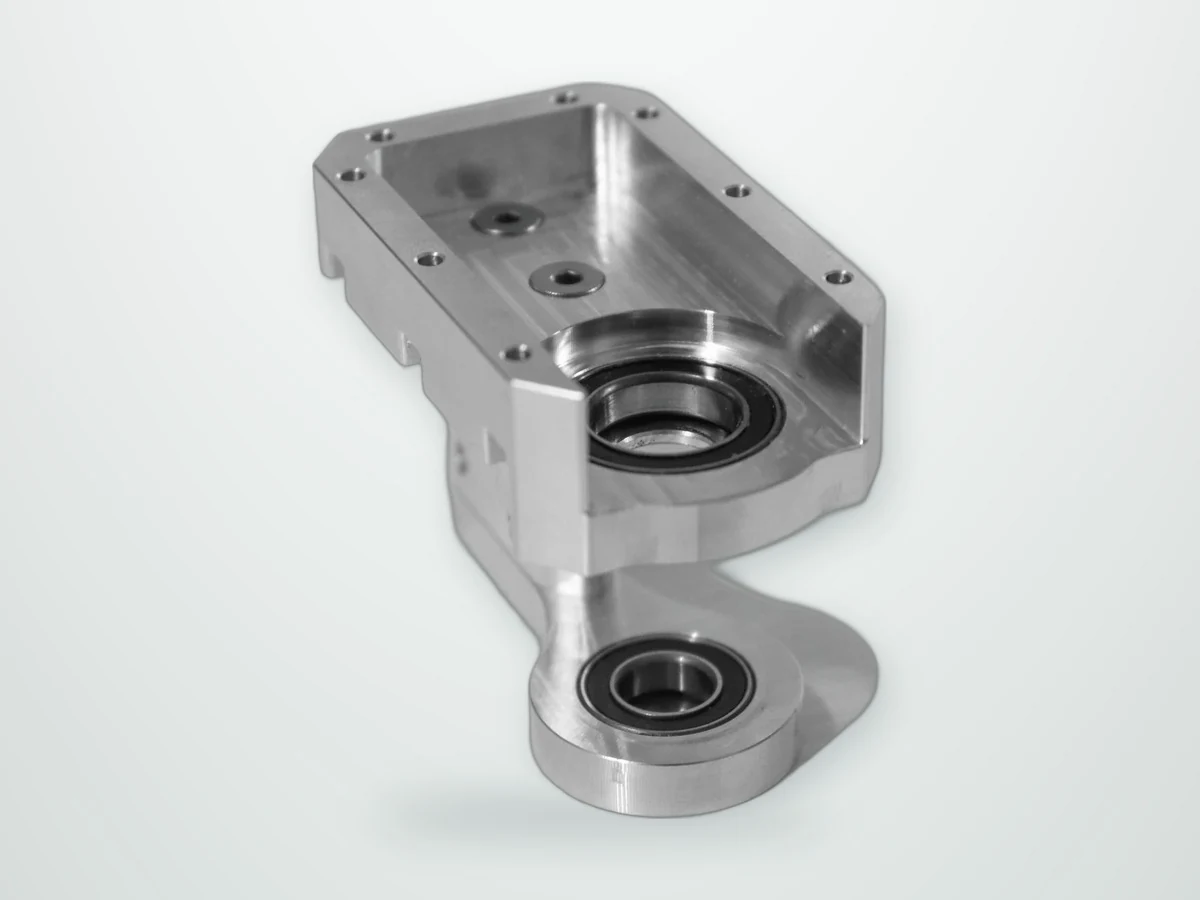
Motor & Bearing Mounts
Aluminum or stainless steel · CNC milling and turning.
Application: Servo motor and bearing supports in rotating robot assemblies.
Manufacturing focus: Bore alignment, support faces and the relationship between mating fits.
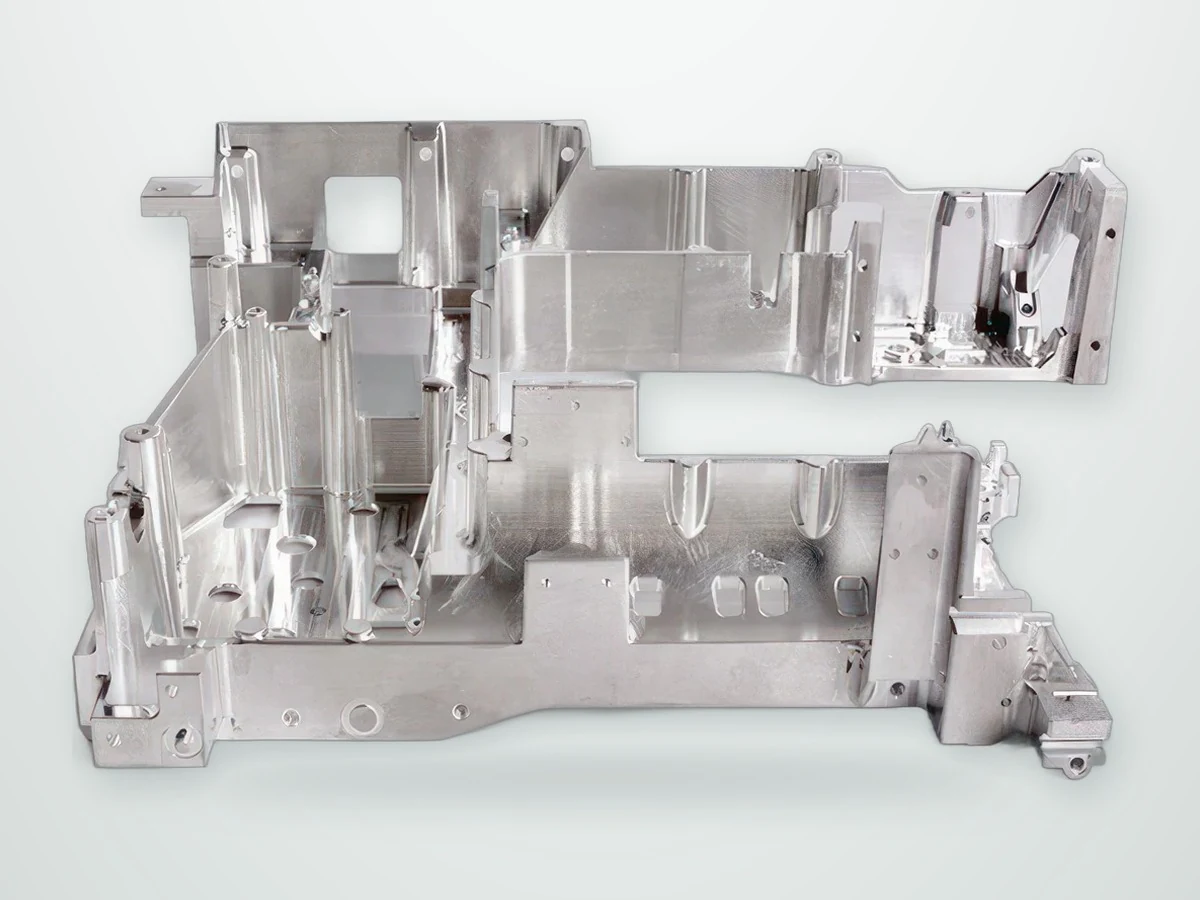
Robot Chassis & Structural Parts
Aluminum or stainless steel · CNC milling.
Application: Structural links, chassis parts and load-carrying mounting geometry.
Manufacturing focus: Assembly datums, wall thickness and access to mounting features.
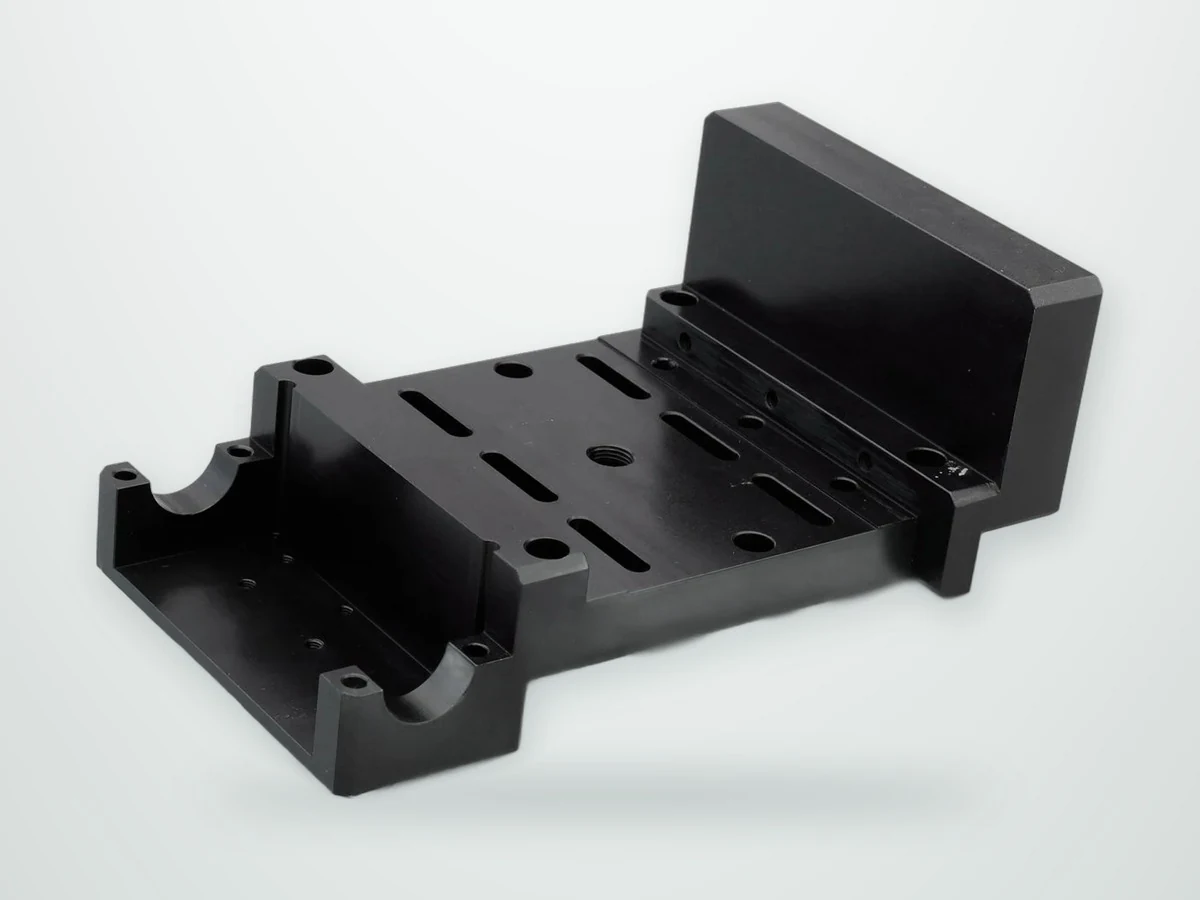
Accessory Mounting Plates
Aluminum or engineering plastics · CNC milling.
Application: Camera and sensor mounting interfaces on robot wrists and automation equipment.
Manufacturing focus: Positioning repeatability, adjustment features and sensor clearance.
MATERIALS & MANUFACTURING
Match the part to its role in your assembly.
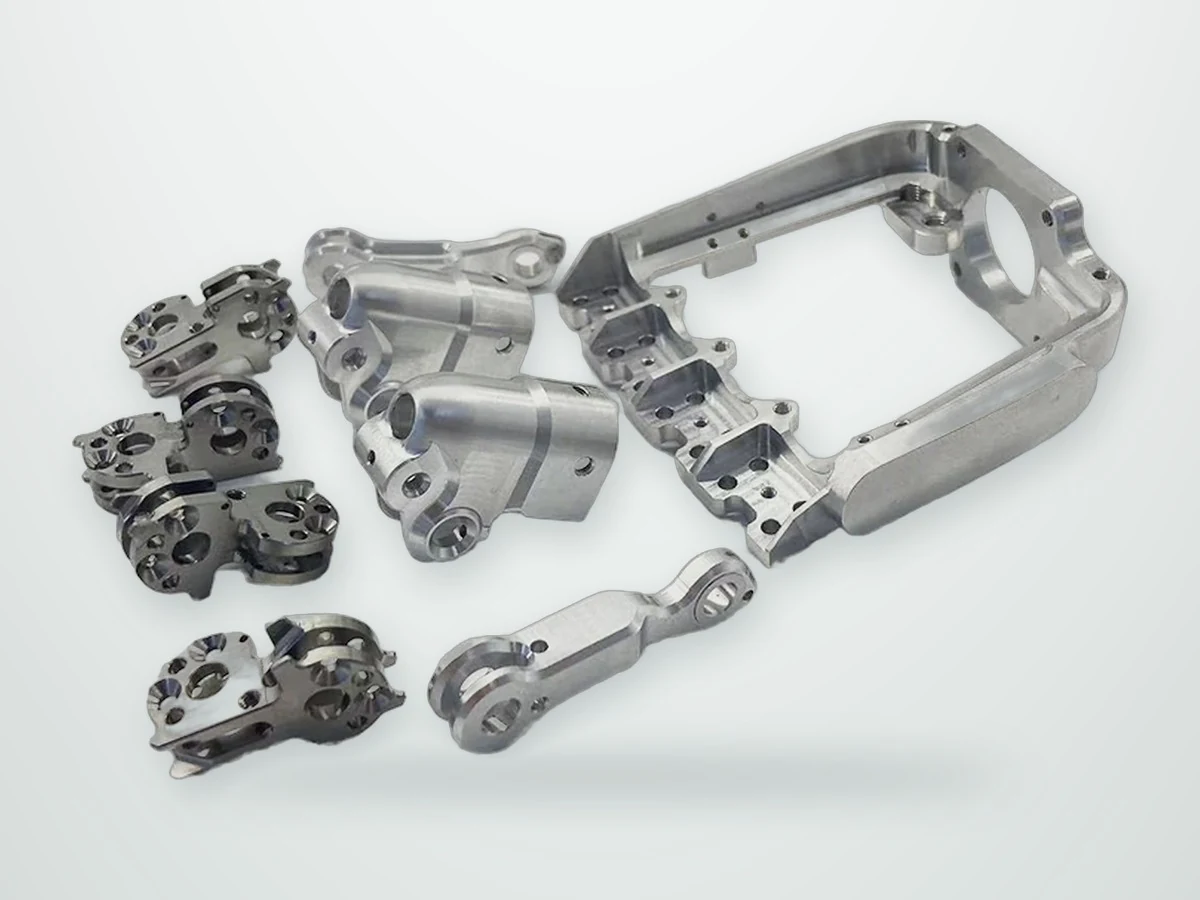
Aluminum Components
Housings, brackets and mounts with milling, drilling and specified finishing.
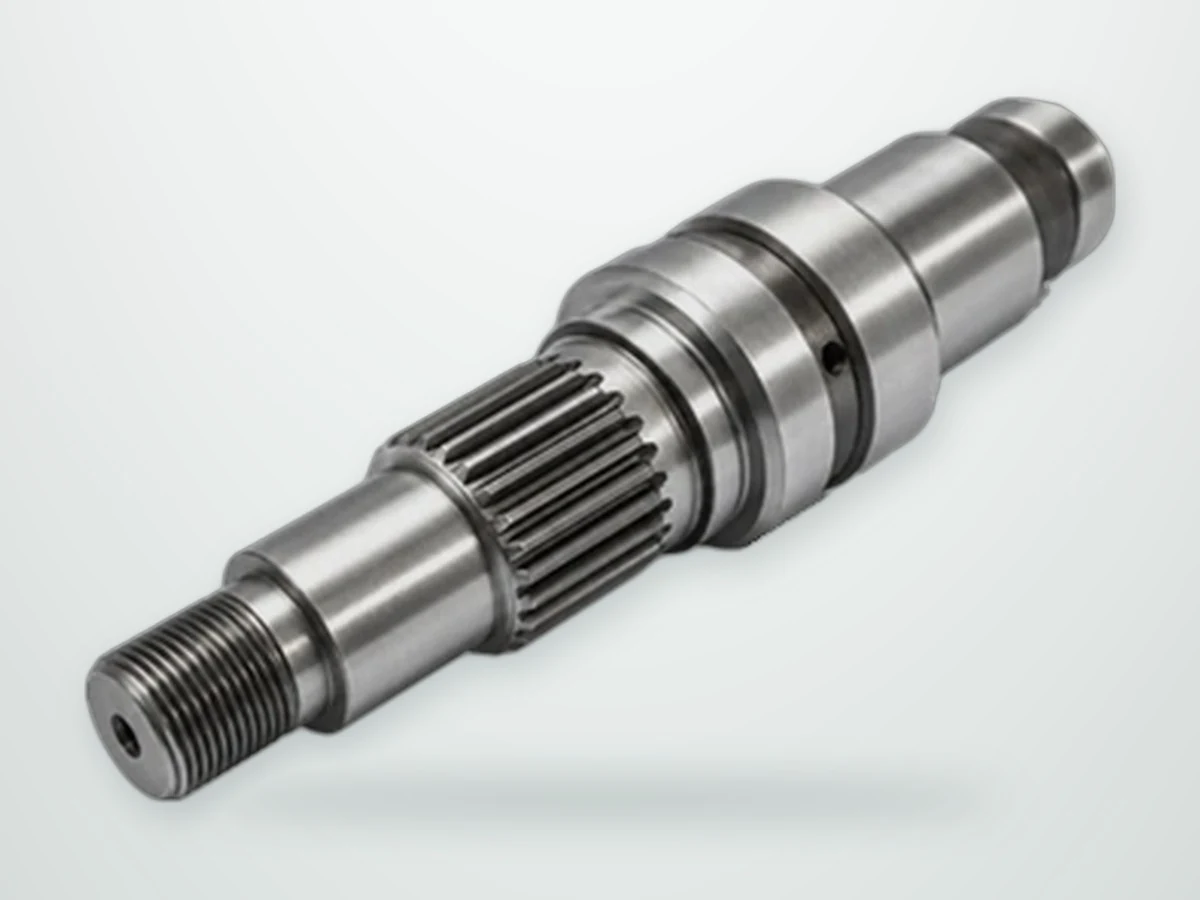
Stainless Steel Parts
Shafts, sleeves and mechanical interfaces with turning, milling and dimensional inspection.
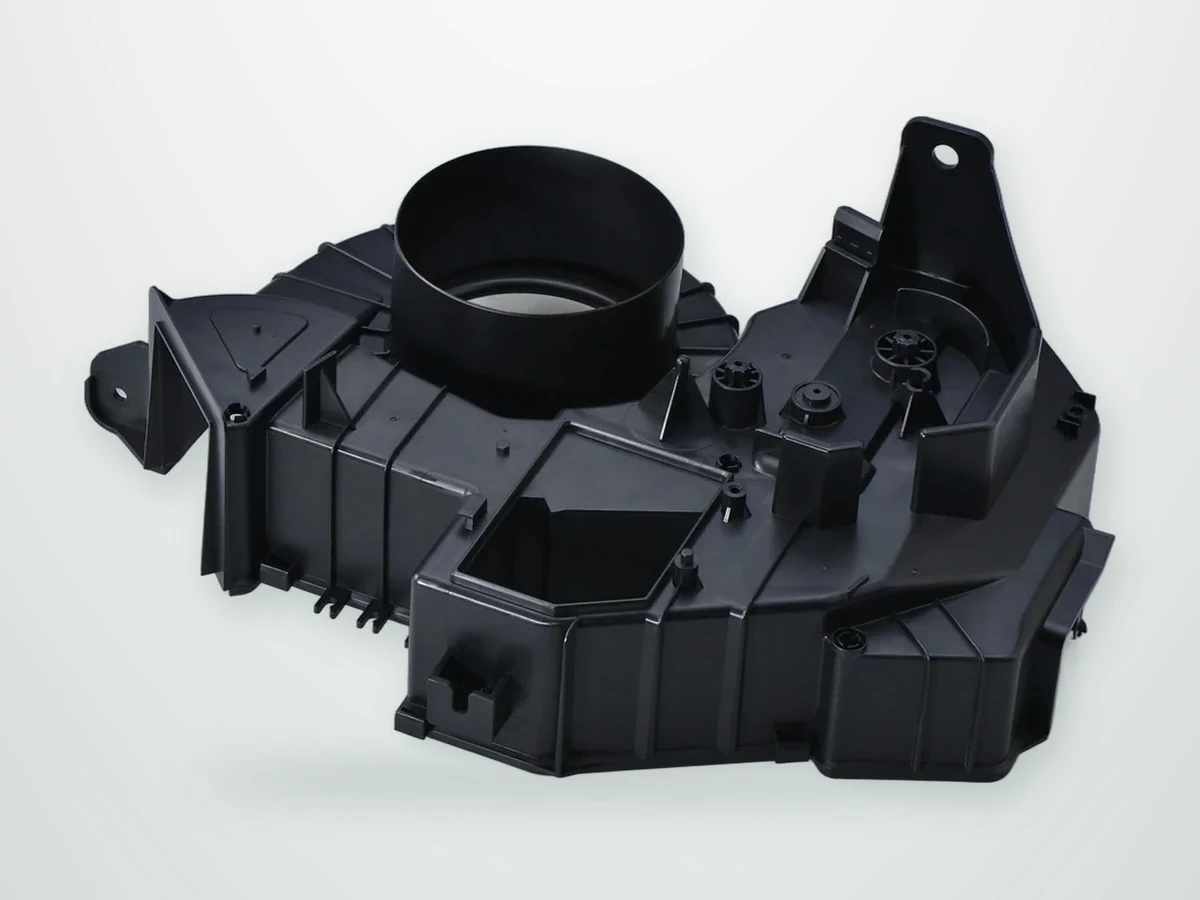
Engineering Plastics
Custom machined polymer parts for guides, mounting interfaces and application-specific components.
ASSEMBLY & INSPECTION
Control the interfaces that determine fit.
On robot parts the tight features are usually few: bearing seats, the bores that have to stay coaxial and the flange hole pattern. Marked on the drawing, those are measured on every part unless a sampling plan is agreed on the order, and the rest is checked to the general tolerance. If the part is anodized, say whether the fits apply after coating.
Development samples, low-volume batches and repeat orders are all made to the drawing revision named on the order.
MORE ROBOT AND AUTOMATION PARTS
Drive train, shafts and cell hardware
For joint drives see gears, racks and timing pulleys, and for other sectors the industries we supply.
GET YOUR ROBOTICS PARTS QUOTE
Bring your next robotic component to TOVILON.
Send the CAD model and drawing with the quantity. A sketch of how the part sits in the assembly often answers many of our questions before we ask them.
Related engineering guides
Part examples made to drawing: robot hand structural components, a robot joint housing in 7075 and an automation fixture with locating pins.
Robot parts machining FAQ
Which robot parts do you machine?
Joint and gearbox housings, arm links, harmonic reducer flanges, motor and bearing mounts, gripper fingers and jaws, end-of-arm tooling plates, tool-changer plates and sensor mounting plates, machined to your drawing.
Can you machine robot parts in small batches for development?
Yes. Orders start from 1 piece. Development samples, pilot builds and low-volume batches use the same drawing review and inspection, and the approved route is kept under revision control for repeat orders.
How do you keep bearing bores aligned in a robot joint housing?
Coaxial bores, flange faces and mounting patterns are cut in one clamping wherever the geometry allows, using 5-axis machining for angled features. Coaxiality and hole positions are then checked against the drawing datums.
Which materials are used for robot components?
Aluminum such as 6061 and 7075 for housings, links and mounts; stainless steel such as 304 and 316 for shafts, sleeves and mechanical interfaces; and engineering plastics such as POM and PEEK for guides and gripper parts.
Do fitted bores stay in tolerance after anodizing?
Fits are planned around the finish. Bores and mating faces are machined with allowance for the coating or masked during anodizing, and critical fits are checked after finishing.