MATERIALS & FINISHES

CNC Machining Materials and Surface Finishes

6061, 6082 and 7075 aluminum, 304 and 316 stainless steel, 42CrMo4 alloy steel, brass and engineering plastics, with anodizing, passivation, plating and heat treatment. Balance strength, weight, environment, surface condition and manufacturing requirements. Confirm the grade and finish in the quotation.

Die-cast aluminum housing with machined sealing faces and bores

MATERIAL SELECTION

Explore materials and finish routes

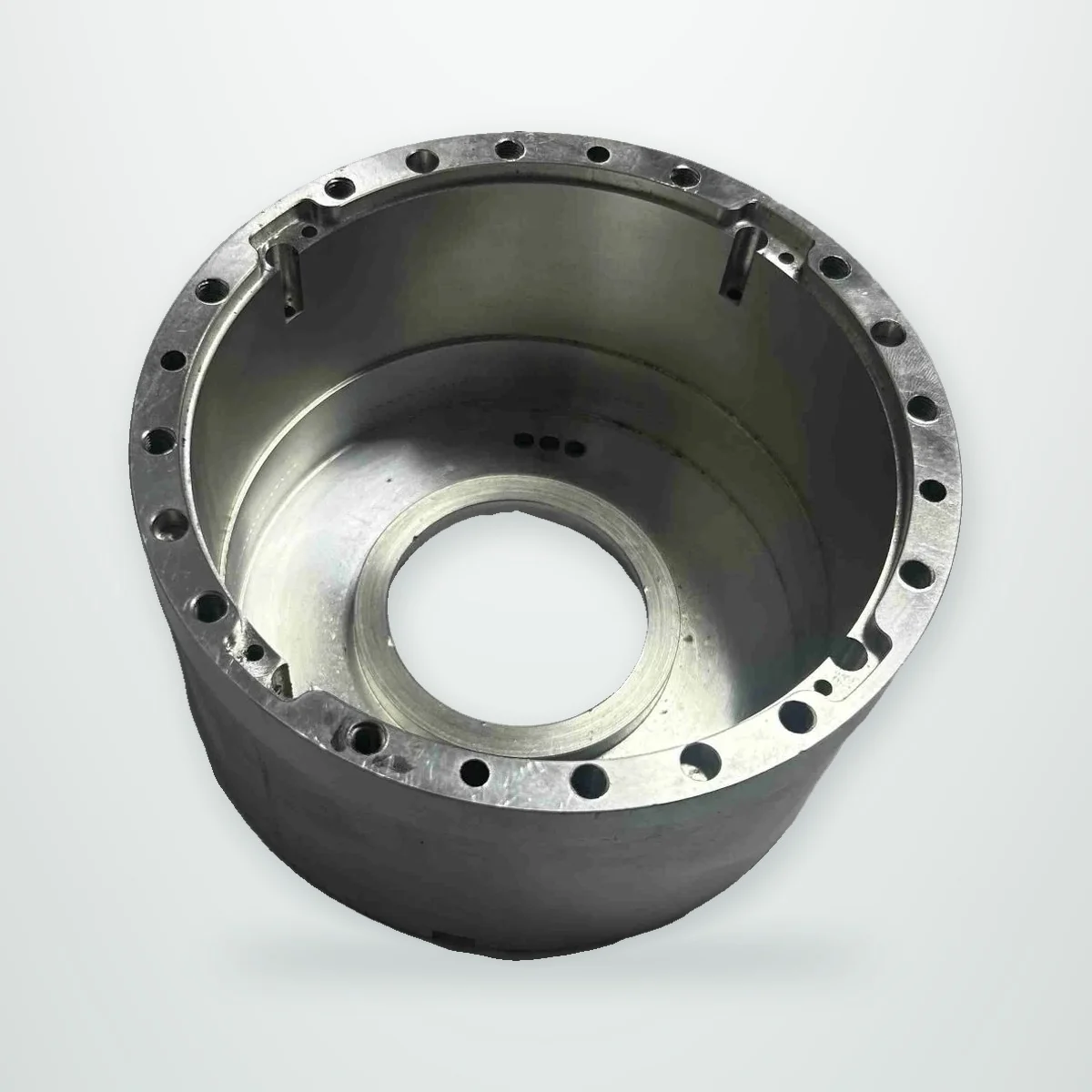
Machined aluminum round housing with a stepped bore and flange hole pattern

Aluminum

6061 · 6082 · 7075

Lightweight housings, brackets and fixtures.

Finish routes
Anodizing · Bead blasting

Bright round bar stock with cut ends and assorted diameters

Stainless steel

304 · 316

Corrosion-exposed parts and rotational components.

Finish routes
Polishing · Passivation
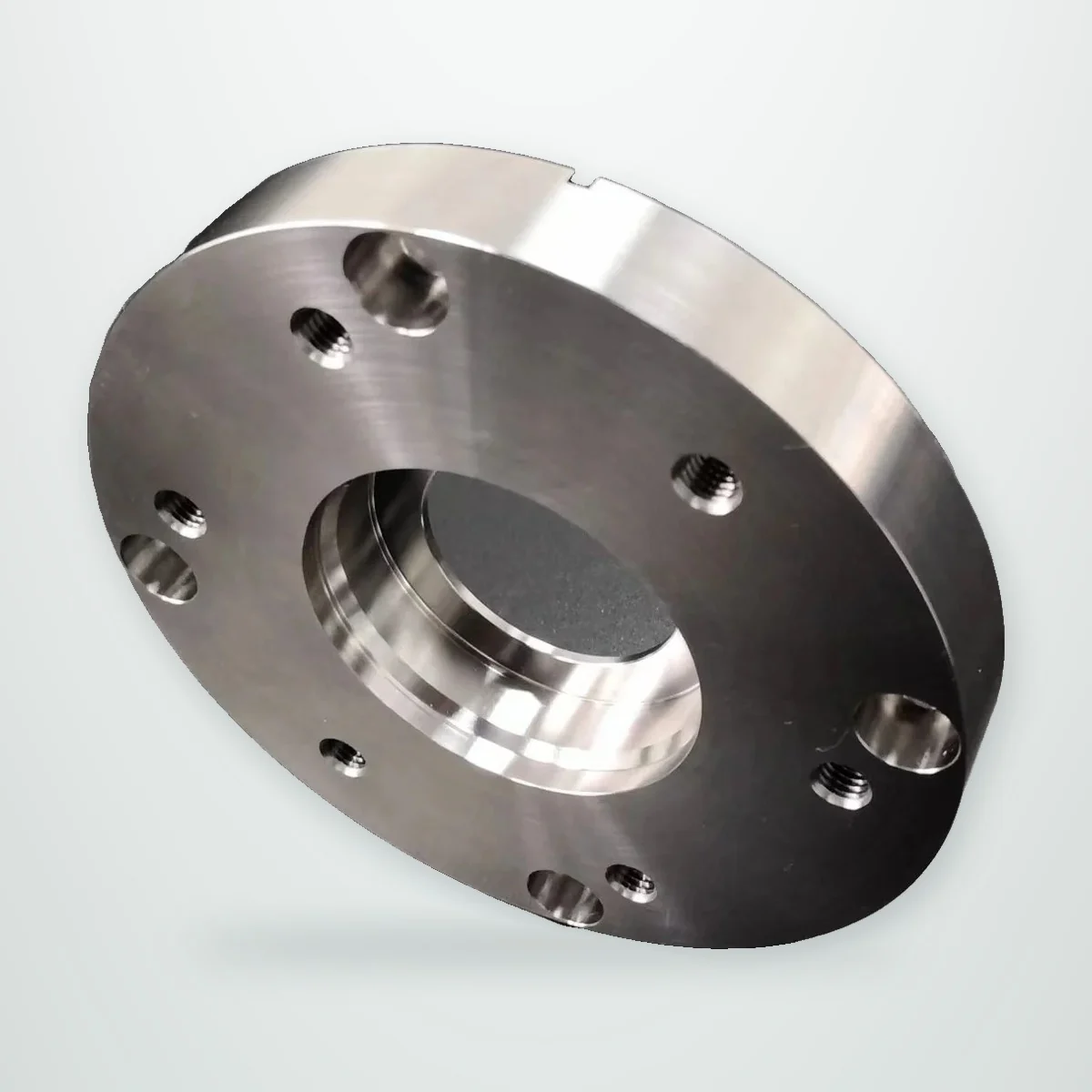
Machined steel flange with a bearing seat and bolt-hole pattern

Carbon & alloy steel

Grade per drawing

Load-bearing and wear-sensitive components.

Finish routes
Heat treatment · Coating

Knurled brass threaded inserts

Brass & copper

Alloy per application

Conductive parts, fittings and hardware.

Finish routes
Polishing · Plating
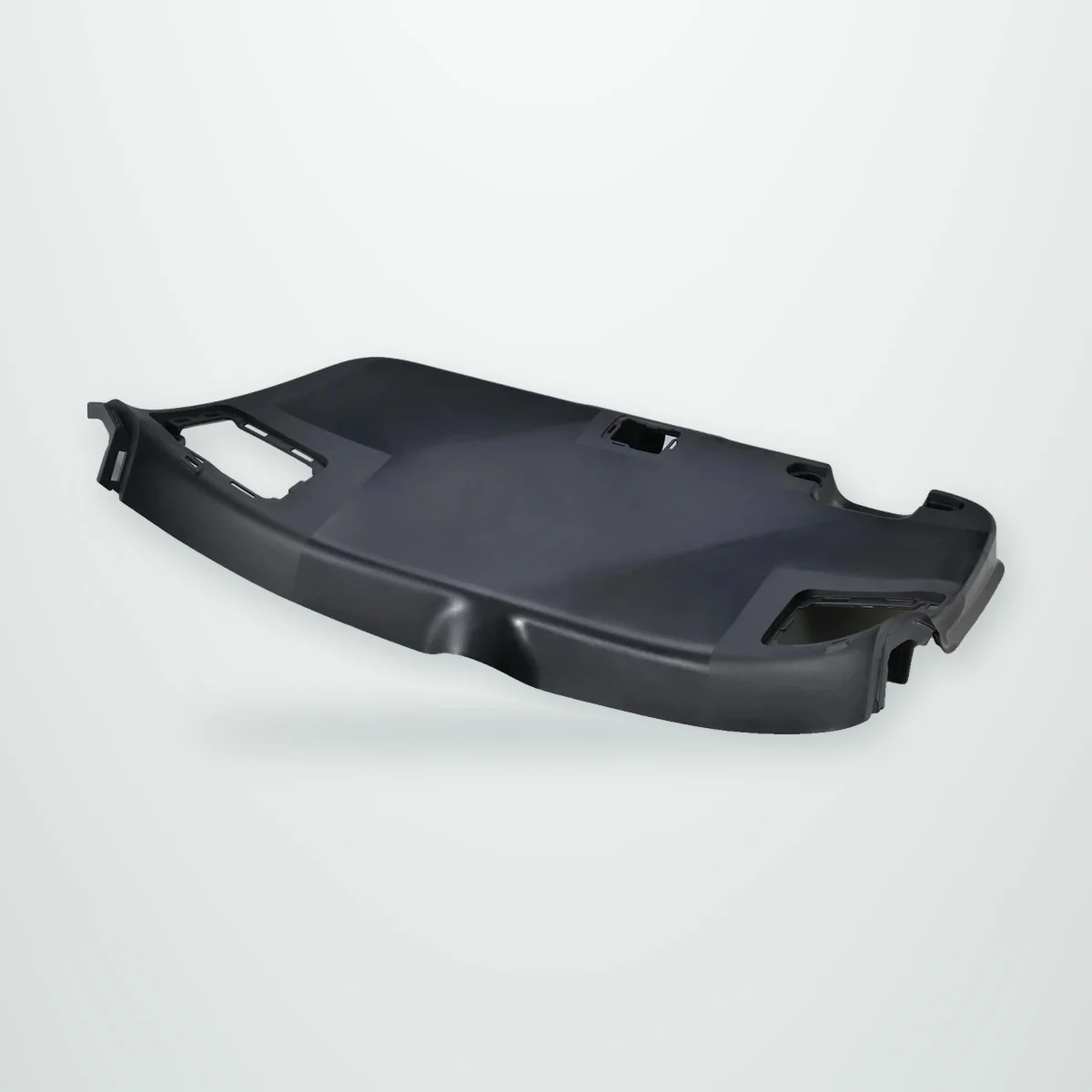
Molded cover and edge details

Engineering plastics

POM · PA · PC · PEEK

Insulating, lightweight and wear components.

Finish routes
Application-dependent finish

Molded polymer component

Molding resins

Grade per application

Functional molded components and cosmetic surfaces.

Finish routes
Tool texture · Color

3D printing materials: resins, nylon, TPU, metals and ceramics

Gold-colored turned component with stepped surfaces

FINISH & DIMENSIONS

Plan the surface and the fit together.

Finishing can affect dimensions, appearance and service performance. Review the complete specification before manufacture.

  • State coating thickness and dimensional allowance
  • Identify cosmetic and functional surfaces
  • Confirm hardness, roughness and exposure requirements

Surface finish guide for machined parts

Anodizing (Type II)
Aluminum; corrosion protection and color; adds a thin oxide layer
Hard anodizing (Type III)
Aluminum; wear resistance; thicker layer, mask bearing fits or machine after coating
Bead blasting
Uniform matte appearance; often combined with anodizing
Passivation
Stainless steel; removes free iron and improves corrosion resistance
Plating
Zinc, nickel or chrome on steel and brass; thickness affects threads and fits
Black oxide
Steel; mild corrosion protection with minimal dimensional change
Powder coating and painting
Covers, frames and panels where appearance matters
Heat treatment
Hardening, tempering or nitriding for wear and strength, specified per drawing

Choosing a material for a CNC part

Strength to weight

7075-T6 for high strength aluminum parts, 6061-T6 or 6082-T6 for general housings and plates.

Corrosion

304 or 316 stainless steel for wet or washdown environments, 17-4PH where strength is also needed.

Wear and load

Alloy steels with heat treatment for shafts, gears and locating pins.

Insulation and friction

POM, PA and PEEK for bushings, guides and insulating components.

Material grades we machine most often

Typical choices for robotics, automation and machine parts. EN, JIS or GB equivalents are quoted when your drawing calls for them.

MaterialCommon gradesTypical partsWhat to watch on the drawing
Aluminum, general6061-T6 / T651, 6082-T6 (EN AW-6082)Housings, base plates, brackets, fixturesMachines and anodizes cleanly. 6082 is the usual plate grade in Europe and is often accepted in place of 6061.
Aluminum, high strength7075-T6 / T651Robot links, joint housings, highly loaded bracketsYield strength is roughly 1.8 times that of 6061-T6, but corrosion resistance is lower and hard anodizing can vary in color.
Stainless steel304 (1.4301), 316L (1.4404)Washdown equipment, food and packaging machine parts, fittingsWork hardens while cutting, so thin walls and small holes take longer. Passivation after machining is usual.
Precipitation-hardening stainless17-4PH (1.4542)Shafts, pins and valve parts that need strength and corrosion resistanceState the condition, for example H1025 or H1150. Parts are machined hardened or aged after machining.
Alloy steel42CrMo4 (AISI 4140), 40CrShafts, gears, pins, couplingsUsually bought quenched and tempered at about 28 to 32 HRC and machined in that state. Induction hardening or nitriding can follow.
Case-hardening steel20MnCr5, 16MnCr5Gears and pinions that need hard teeth and a tough coreCarburized to about 58 to 62 HRC at the surface. Leave grinding stock on teeth and bearing seats when distortion matters.
Tool steelD2 / SKD11 (1.2379), H13 (1.2344)Locating pins, wear plates, punches, mold insertsD2 is typically 58 to 62 HRC and H13 44 to 52 HRC after hardening, then ground or finished by wire EDM.
BrassCW614N (C36000), H59Fittings, threaded inserts, connectorsFree machining with a fine finish. Ask for lead-free brass if the part touches drinking water or your customer limits lead.
Engineering plasticsPOM-C, PA6, PEEK, PTFEBushings, guide strips, insulators, wear padsPOM is the stable default. PA absorbs moisture and grows. PEEK when temperature or chemicals rule the others out.

How much each finish adds to a fitted surface

Typical coating thickness per surface. On a bore or a shaft the diameter changes by about twice the outward growth, so a fit that measures correctly before finishing can be wrong after it.

FinishTypical thicknessEffect on fits and threads
Anodizing, Type II5 to 25 µmAbout half grows outward. H7 bores and fine threads are masked or machined with an allowance.
Hard anodizing, Type III25 to 50 µmAbout half grows outward, so a bore can lose 25 to 50 µm on diameter. Mask bearing seats or finish them after coating.
Electroless nickel5 to 25 µmVery even, also inside bores and threads, so the allowance can be calculated closely.
Zinc plating5 to 12 µmBuilds up on edges and threads. Cut threads with a plating allowance, for example 6g, or mask them.
Black oxideUnder 1 µmNo practical effect on fits. Mild corrosion protection when oiled.
PassivationNoneCleans stainless steel without changing dimensions.
Gas nitridingA few µm of growthSmall growth and possible distortion on long parts. Critical journals can be ground afterwards.

Worked allowances for H7 bores, g6 shafts and M6 threads are in the guide on anodizing allowances for bores, shafts and threads.

Materials and finishes FAQ

Which aluminum is best for CNC machined robot parts?

6061-T6 or 6082-T6 suits most housings, plates and brackets. 7075-T6 is worth its higher price where yield strength or stiffness to weight decides the size of the part, such as long links and thin-walled joint housings.

Can steel parts be heat treated after machining?

Yes. Quench and temper, case hardening, induction hardening and nitriding are planned with the machining route, and grinding stock is left on features that must hold size after heat treatment. Hardness is checked after treatment.

Can you supply material certificates?

Yes. Material certificates traceable to the batch can be supplied when the order requires them.

Does anodizing change part dimensions?

Yes. Type II adds a few microns, while hard anodizing builds a thicker layer that can close up fits. Fit-critical bores are usually masked or finished after coating.

Can I use an equivalent material grade?

Often yes, for example EN or JIS equivalents of ASTM grades. Any substitution is proposed in the quotation and used only with your approval.

LET’S TALK ABOUT YOUR PART

Not sure which alloy or finish to specify?

Send the drawing and a line on how the part is used. We will suggest a material and finish and say what it means for the fits and the price. Or email the drawing to info@tovilon.com.

WhatsApp