
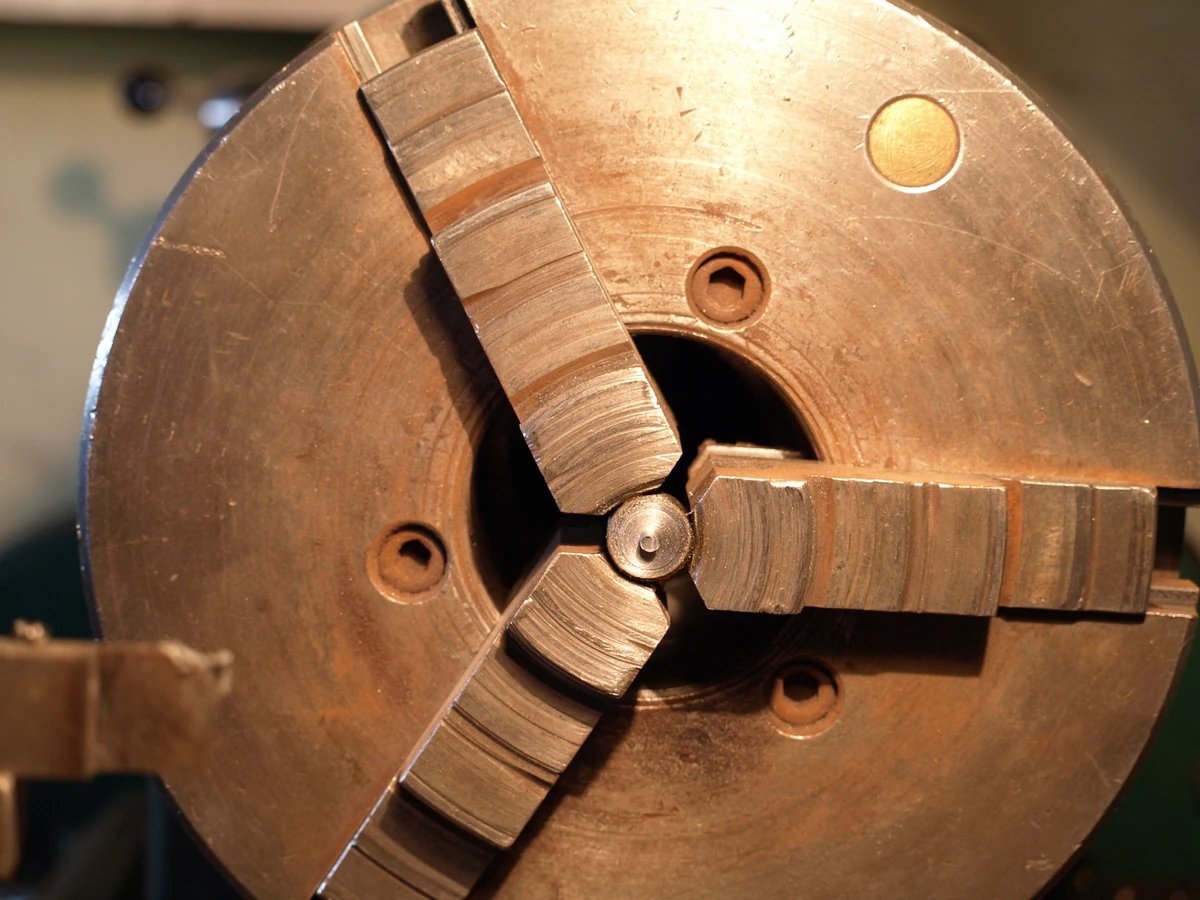
The fastest way to choose a process is to look at the part’s main geometry. Turning starts with a rotating workpiece and is usually the natural route for shafts, sleeves, and other cylindrical parts. Milling uses a rotating cutter against a fixed workpiece and is well suited to plates, brackets, housings, and pockets.
Start with the dominant shape
If most of the critical surfaces share a central axis, ask whether turning can make them in one setup. Concentric diameters, grooves, and threads are common turning features. If the part is mainly flat-sided with hole patterns, pockets, or multiple mounting faces, milling is usually the starting point.
Look at secondary features
A turned shaft may need a flat, keyway, or cross hole. A milled housing may need a precision bore. These details do not automatically require a new design, but they can add setups and inspection steps. Highlight the features that control assembly so the quote reflects the complete part.
Consider material, quantity, and inspection
Material affects cutting tools and cycle time. Quantity affects whether dedicated workholding is worthwhile. Tight geometric relationships can matter more than the number of features. Send the model, drawing, material, quantity, and critical fits together so the manufacturer can propose a sensible route.
What to ask during quotation
Ask which features drive setup count, whether the part can be made from standard stock, and how critical dimensions will be checked. The answer may be a combined milling and turning plan rather than an either-or choice.
Choose the setup around the controlling features
Turning is a natural starting point for rotational geometry such as shafts and bushings. Milling is a natural starting point for faces, pockets and mounting patterns. Parts with both types of features may need a combined route. Choosing by appearance alone can overlook datum control, tool access or a difficult second setup.
Three useful questions
Which feature defines the primary datum?
Which faces and holes must align after assembly?
Can the critical features be machined and inspected without an unstable setup?
Axis count is not a quality guarantee
3-axis, indexed 4-axis or 3+2 arrangements, and simultaneous 5-axis machining address different access and setup needs. A higher axis count is not automatically the cheapest or most accurate answer. Ask the supplier to explain the proposed setup for the actual geometry and the acceptance requirements.