MANUFACTURING CAPABILITIES

Mold Making for Functional Plastic Components

Tooling planning that connects part geometry, material behavior, and the intended production run.

We aim to reply within 1 business day · Mon–Fri, China time (UTC+8).
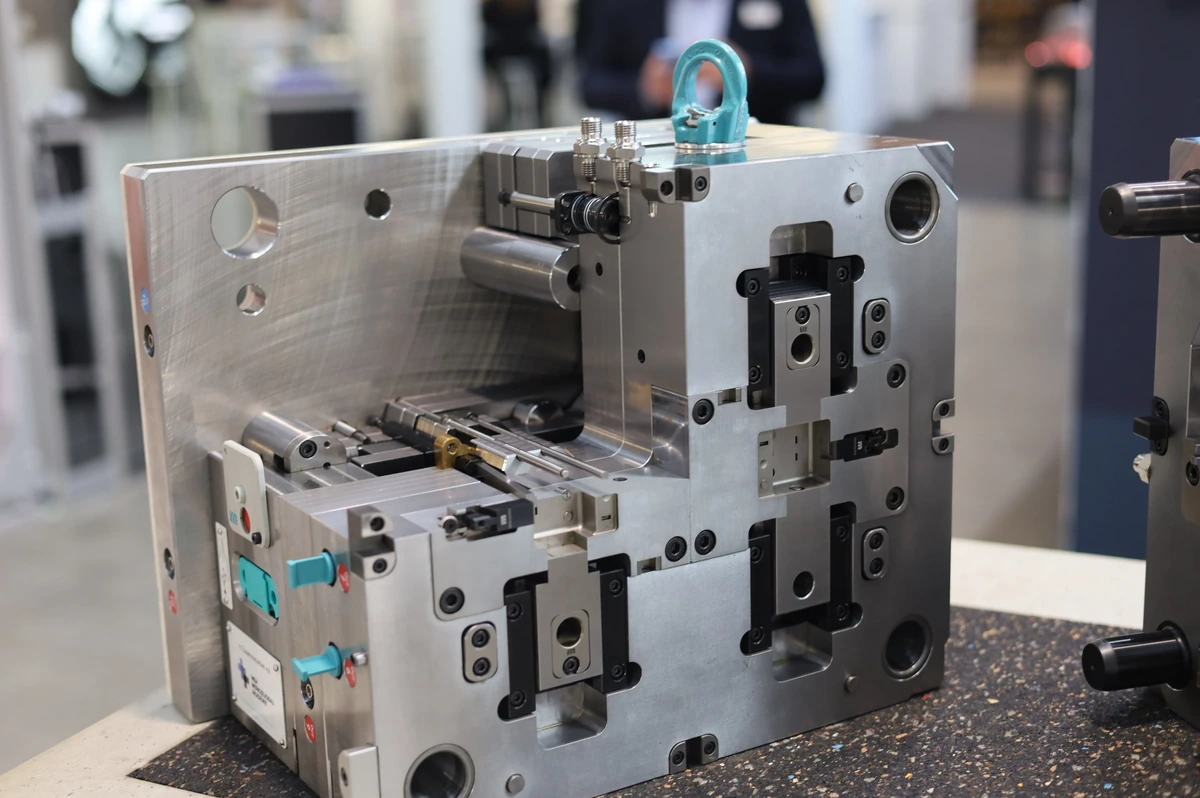
Steel injection mold tooling

PROCESS & APPLICATION

Connect part geometry to the mold concept.

An effective mold starts with the part design. We review draft, wall thickness, gate and parting line considerations, surface requirements, and expected quantity before tooling details are finalized. Toolmaking is coordinated to the project’s technical needs.

  • Plastic enclosures and covers
  • Functional clips and fittings
  • Repeat-use industrial components
Discuss Your Requirements

PART PLANNING

Review walls, draft and release before tooling.

Wall thickness

Keep wall thickness as consistent as the design allows.

Draft & release

Include draft on faces that release from the mold.

Cosmetic and fit features

Identify cosmetic faces and any critical fit features.

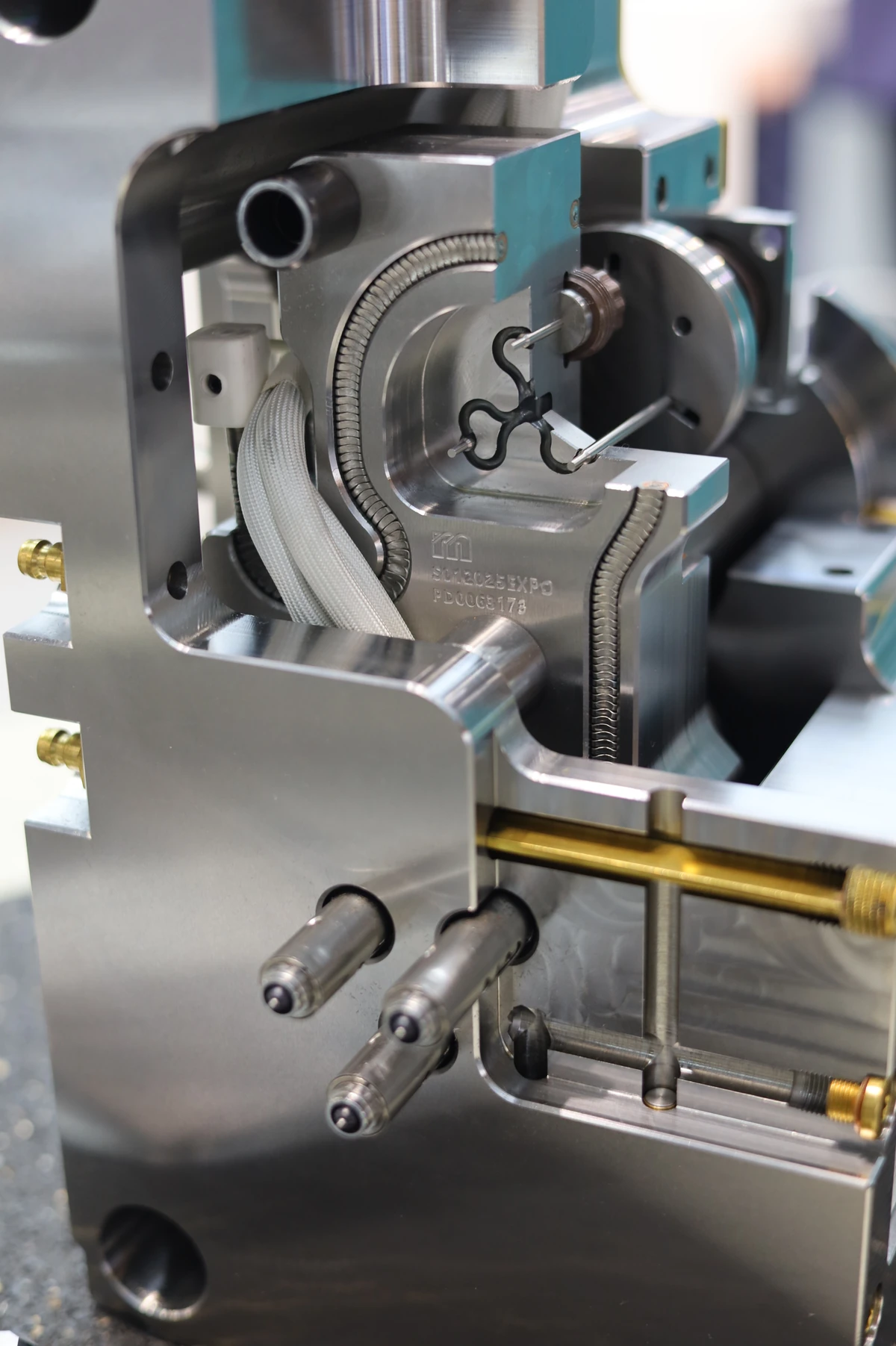
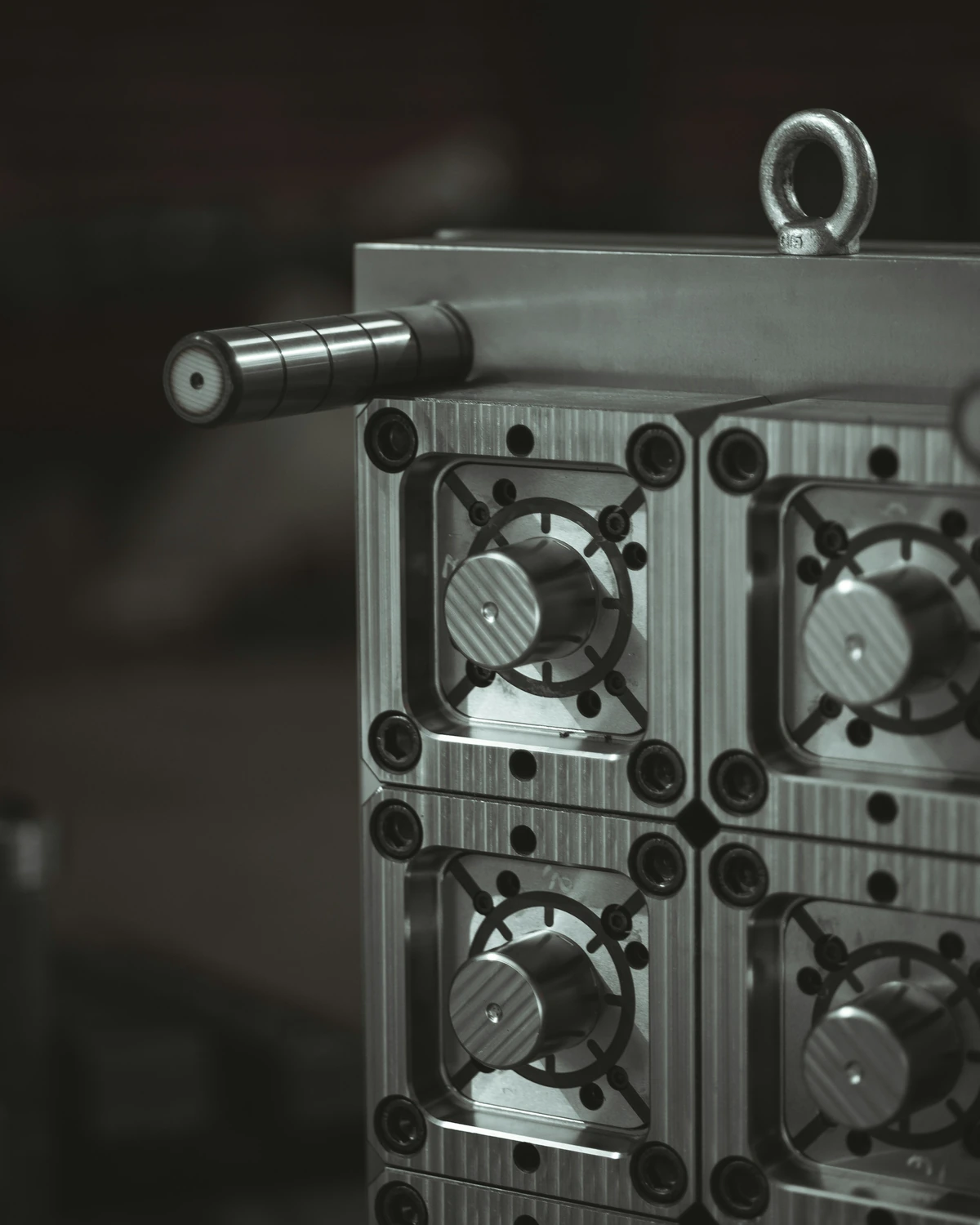
Steel mold plate and tool details

MATERIALS, FINISH & ACCEPTANCE

Agree tool finish and first-sample acceptance.

Tool material and molded resin selection depend on the part’s volume, texture, wear, temperature, and structural needs. We discuss these together rather than treating the mold as an isolated purchase.

  • Tool surface treatment influences the molded part’s texture and appearance. Polish and texture requirements should be agreed before tool manufacture.
  • First-off parts can be checked for fit, appearance, and agreed dimensions, with adjustments considered before repeat production.
Discuss Your Requirements

PROJECT QUESTIONS

Before you send the drawing

What information is needed to discuss a mold?

Share the part model, intended resin, estimated annual quantity, cosmetic requirements, and any assembly or fit details.

Can a part be revised before tooling starts?

Yes. Reviewing draft, wall thickness, and parting line options before tool release can prevent expensive changes later.

Is one mold approach right for every volume?

No. Tool design and material should follow expected volume, part complexity, and product maturity.

LET’S TALK ABOUT YOUR PART

Bring your drawing.
Define the next step.

Material, quantity, finish and critical features — start with what you know.

Call UsWhatsApp