INJECTION MOLDING

Low-Volume Injection Molding for Engineering Plastic Parts

Low-volume injection molding of PC, PA, POM, ABS, PBT and PEEK parts, planned for fit, finish and repeat production from an approved sample.
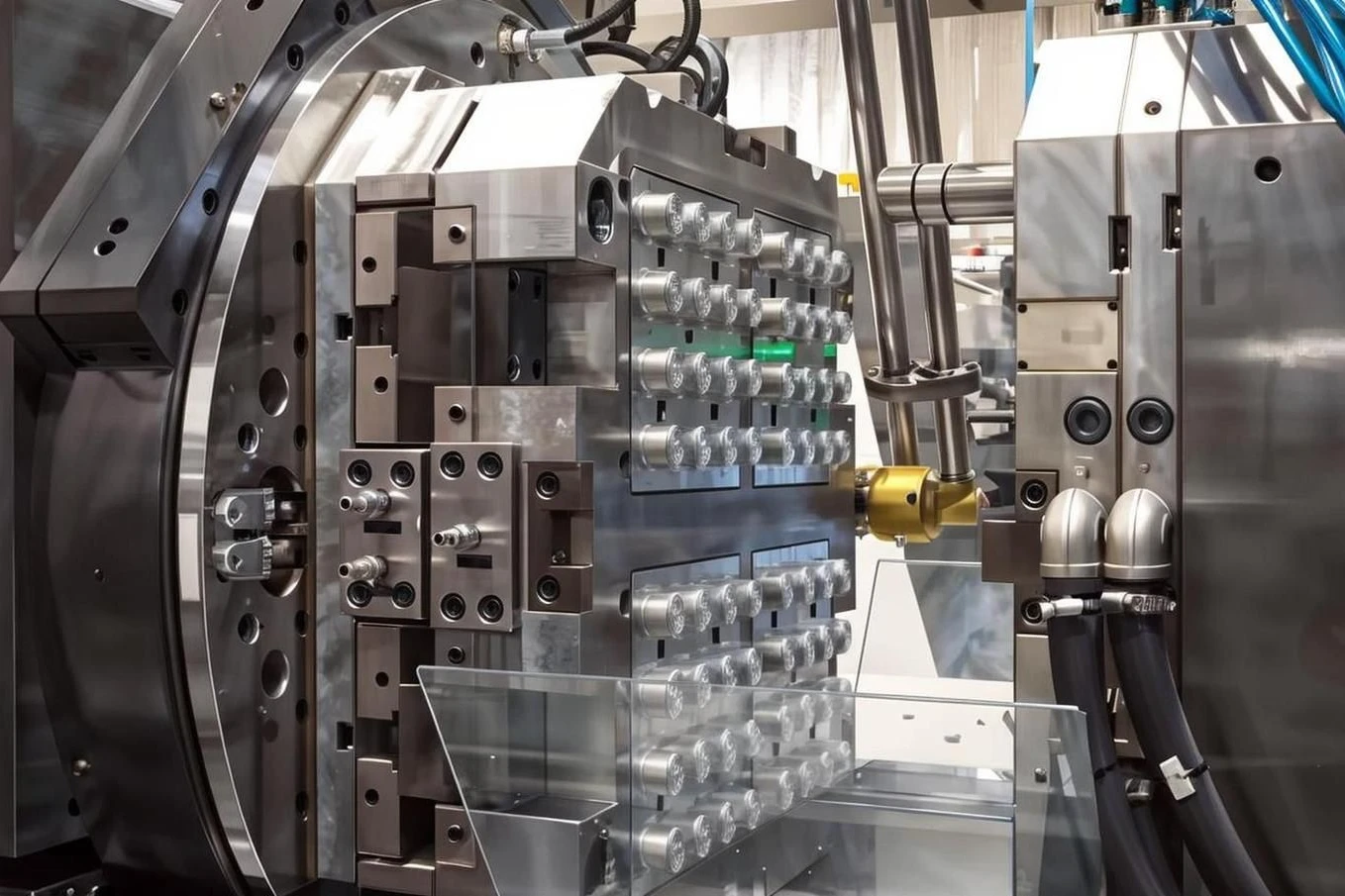
Multi-cavity injection mold installed in a molding press
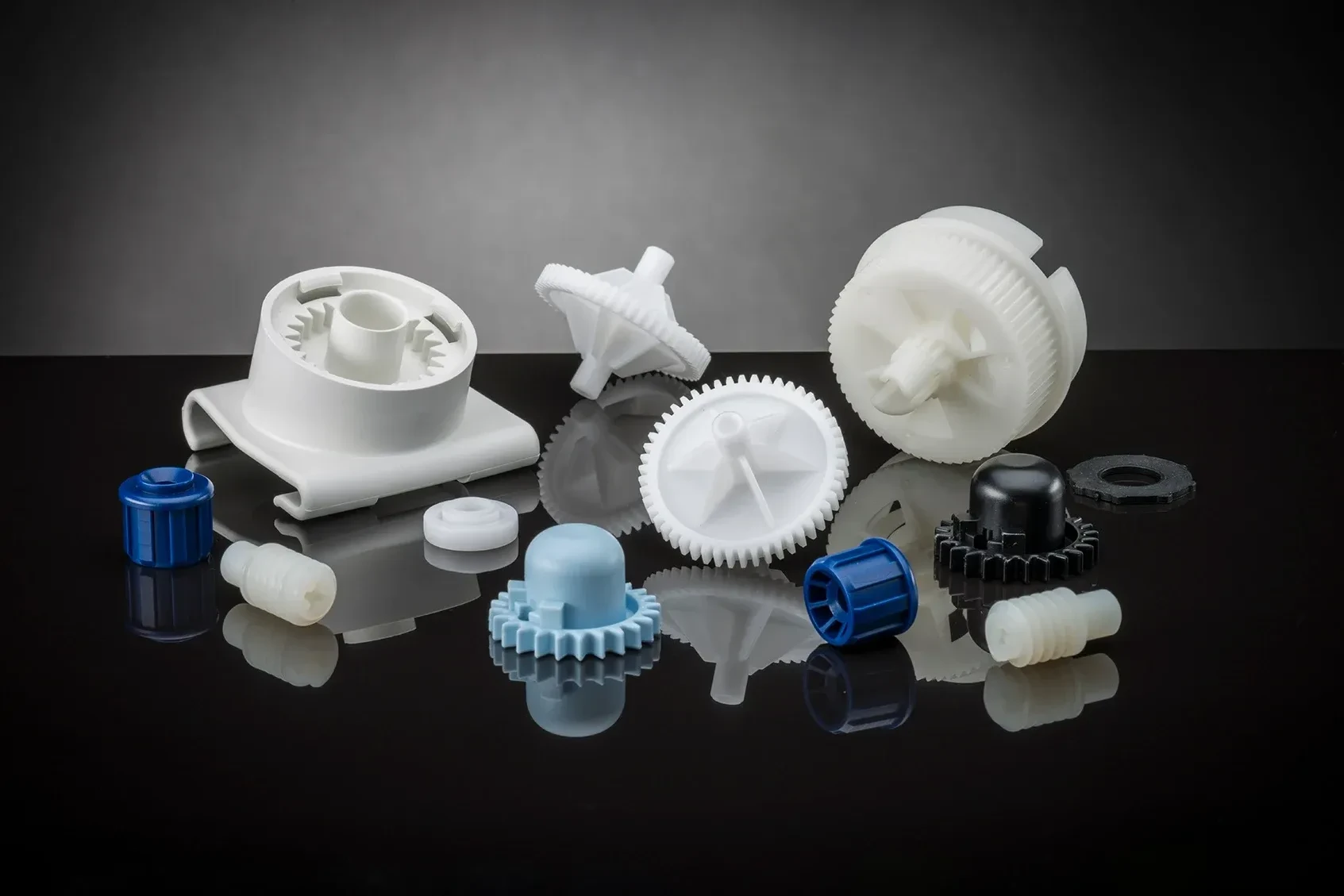
Precision molded plastic gears and components

PRODUCTION RUNS

Repeat molded components around an approved sample.

Injection molding makes sense once the quantity pays for the mold. For a handful of parts, machining or 3D printing is usually cheaper. Where the break even falls depends on part size and complexity, so for quantities in between we can price both routes side by side.
  • Industrial enclosures
  • Connectors and functional fittings
  • Protective covers and equipment components

SHRINK & COSMETICS

Review shrinkage, wall changes and appearance.

Draft & shrinkage

Faces that slide out of the mold need draft, more on textured faces. Shrinkage differs by resin, so changing the resin can change the part size from the same mold.

Wall transitions

Thick sections next to thin ones cause sink marks and warping. Coring out the thick areas usually fixes it without losing much stiffness.

Cosmetic surfaces & fits

Mark which faces are visible and where a gate mark is not acceptable, so the gate and ejector pins can go elsewhere.

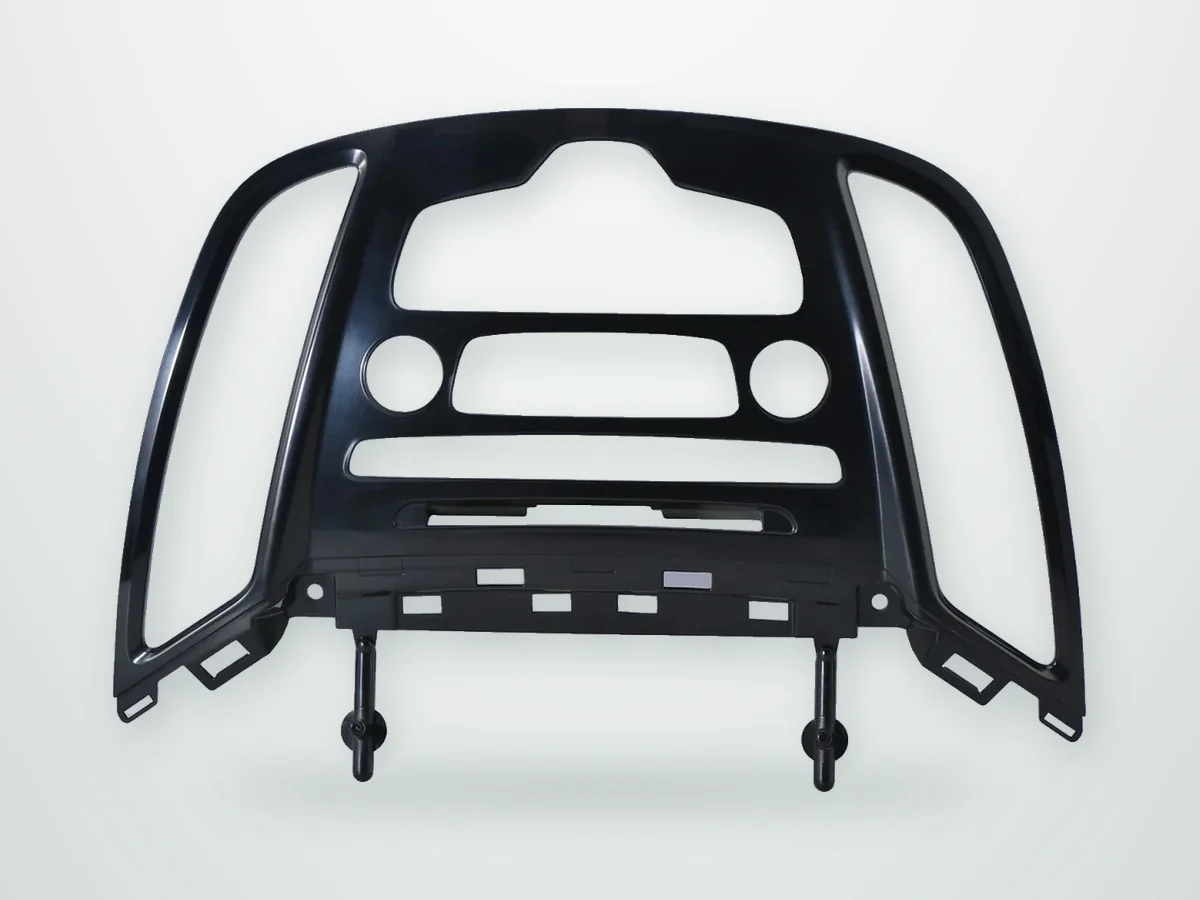
Molded structural frame and mounting features

RESIN & COLOR

Specify resin, color and sample acceptance.

PC for clear and impact resistant parts, PA and POM for wear and snap fits, ABS for housings, PBT for electrical parts and PEEK for heat and chemicals. Tell us the operating temperature, load and chemicals the part sees and we can suggest a resin.

  • Texture and gloss are often controlled by the tool surface. Color and post-mold decoration can be reviewed where the application requires them.
  • Sample approval, dimensional checks on selected features, and visual criteria help define a repeatable acceptance standard.

Common injection molding resins

Commodity resins
PP, PE, ABS, PS for covers, housings and general components
Engineering resins
PC, PC/ABS, PA6, PA66, POM, PBT for functional and load-bearing parts
Filled grades
Glass-filled PA and PBT for stiffness and dimensional stability
High-performance resins
PEEK, PPS and similar grades where temperature or chemical resistance is required
Elastomers
TPE and TPU for seals, grips and flexible features

Resin choice is checked against the operating temperature, load, chemicals and appearance the part must meet.

How molded parts are accepted

Sample approval

T1 samples are measured against the drawing and reviewed for cosmetic defects before production starts.

Process window

Approved settings for temperature, pressure and cycle are recorded and reused for every batch.

Batch inspection

Critical dimensions and appearance are checked by the sampling plan agreed for the order.

Injection molding FAQ

What quantities suit injection molding?

Injection molding pays off once the tool cost is spread across enough parts. There is no fixed threshold: part size, cavities, tool type and annual volume decide it, so for a few hundred pieces we compare a simple tool with machining or 3D printing on the same specification. For smaller quantities, machining or 3D printing may be more suitable.

Can you supply molded and machined parts together?

Yes. Molded parts and the machined inserts, brackets or shafts for the same assembly can be quoted and delivered as one project.

How are colors matched?

Color is specified by a reference such as Pantone or RAL, or a physical sample, and approved on T1 or T2 samples.

LET’S TALK ABOUT YOUR PART

Send the part model and the yearly volume.

With the resin, the cosmetic faces and the quantity per year, we can propose the number of cavities and the mold steel, and point out features that need slides or lifters. Or email the drawing to info@tovilon.com.

WhatsApp