MANUFACTURING CAPABILITIES

Injection Molding for Industrial Plastic Components

Molded plastic components planned for fit, finish, and repeat production.

We aim to reply within 1 business day · Mon–Fri, China time (UTC+8).
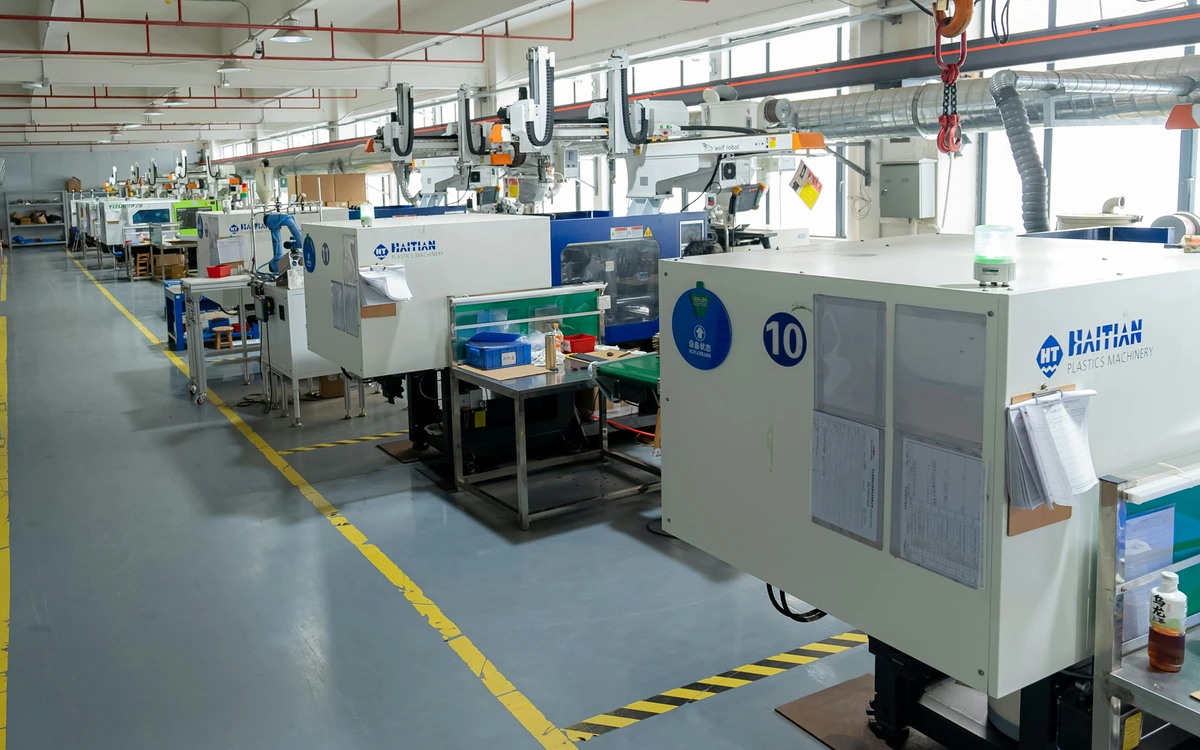
Injection molding equipment on a production floor
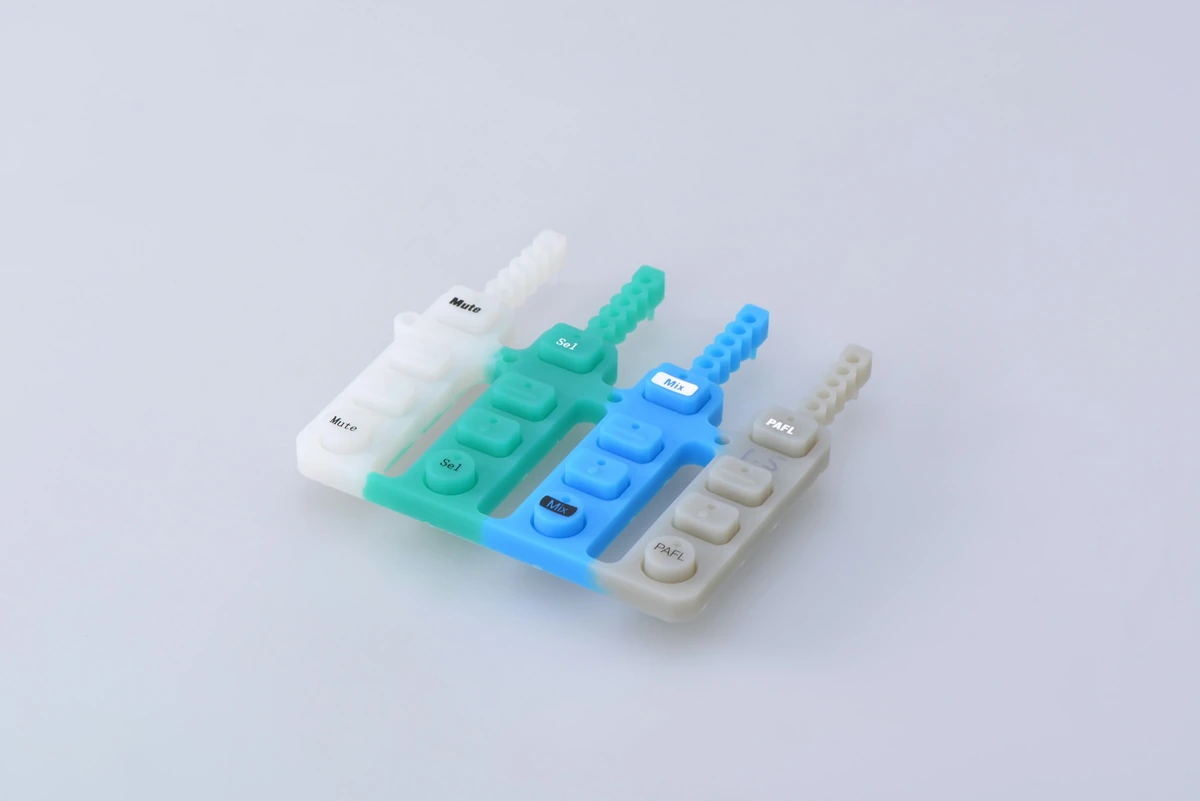
Molded components with raised features

PROCESS & APPLICATION

Repeat molded components around an approved sample.

Injection molding is well suited to parts that need consistent geometry across repeated runs. We coordinate the discussion between part design, resin, tooling, processing, and inspection so requirements remain clear from first sample to repeat order.

  • Industrial enclosures
  • Connectors and functional fittings
  • Protective covers and equipment components
Discuss Your Requirements

PART PLANNING

Review shrinkage, wall changes and appearance.

Draft & shrinkage

Allow for molding draft and expected shrinkage.

Wall transitions

Avoid abrupt wall changes that can affect appearance and stability.

Cosmetic surfaces & fits

Mark cosmetic surfaces, gate restrictions, and critical fits.

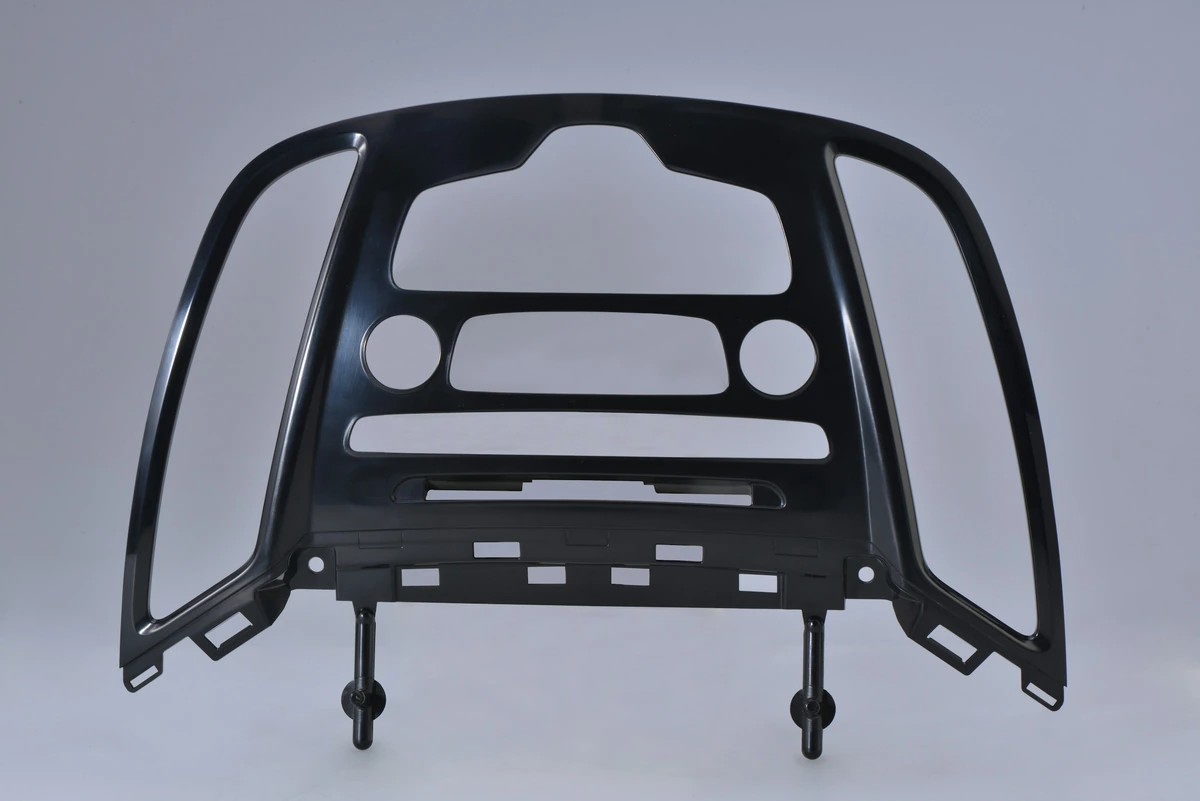
Molded structural frame and mounting features

MATERIALS, FINISH & ACCEPTANCE

Specify resin, color and sample acceptance.

Common engineering resins offer different combinations of stiffness, impact resistance, temperature performance, and chemical resistance. Material choice should be checked against the part’s real service conditions.

  • Texture and gloss are often controlled by the tool surface. Color and post-mold decoration can be reviewed where the application requires them.
  • Sample approval, dimensional checks on selected features, and visual criteria help define a repeatable acceptance standard.
Discuss Your Requirements

PROJECT QUESTIONS

Before you send the drawing

When does molding make sense over machining?

Molding becomes attractive when geometry and repeat quantity justify tooling. Machining may be faster while a design is still changing.

Do I need to specify a resin before quoting?

A preferred resin helps, but application requirements can also be used to discuss suitable options.

What should be checked on first samples?

Fit, critical dimensions, appearance, and assembly performance should be checked against agreed criteria.

LET’S TALK ABOUT YOUR PART

Bring your drawing.
Define the next step.

Material, quantity, finish and critical features — start with what you know.

Call UsWhatsApp