MANUFACTURING CAPABILITIES

Custom Machined Components for Equipment & Automation

Purpose-built components for products, equipment, fixtures, and demanding assemblies.

We aim to reply within 1 business day · Mon–Fri, China time (UTC+8).
Machined metal components
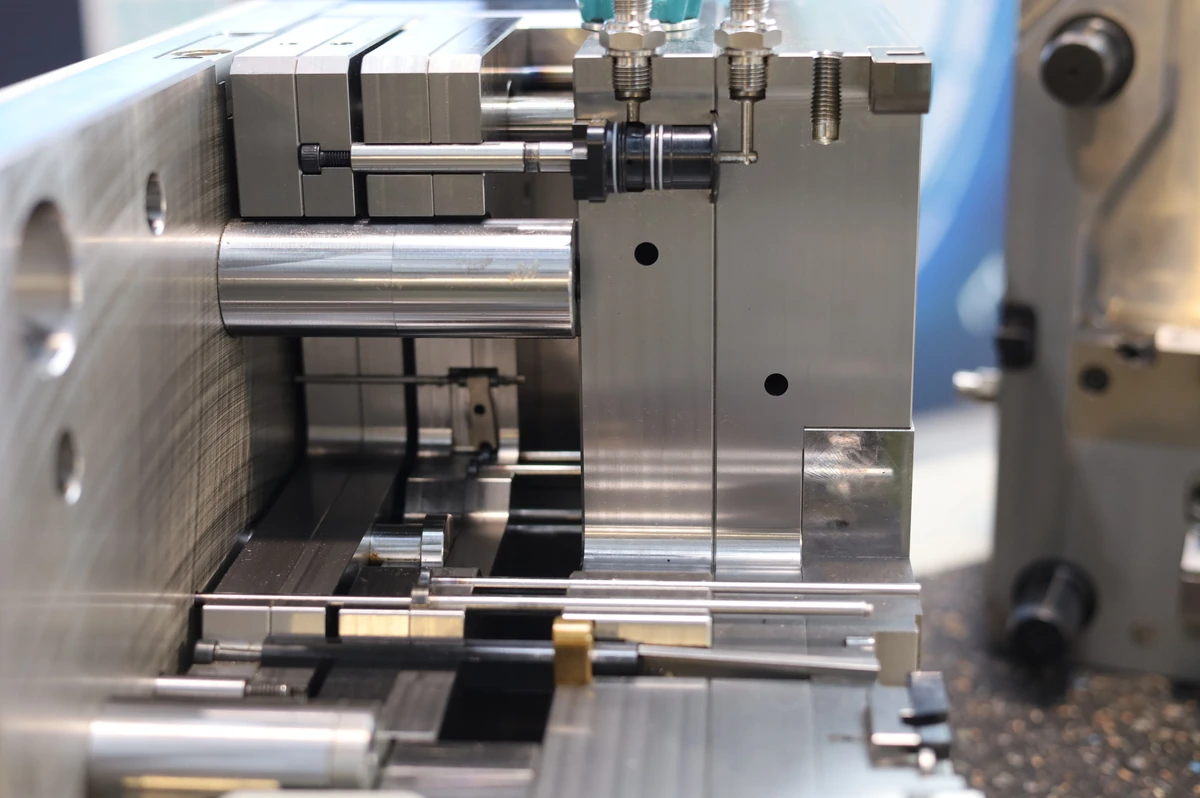
Polished steel tooling assembly with clearly machined surfaces

PROCESS & APPLICATION

Components designed around the assembly.

Custom machined parts begin with a specific functional need. We review geometry, interfaces, material, and order size to choose a practical combination of milling, turning, and secondary operations rather than forcing the design into a single process.

  • Specialized machine components
  • Product development prototypes
  • Replacement and upgrade parts
Discuss Your Requirements

PART PLANNING

Plan interfaces, materials and repeat demand.

Assembly interfaces

Show how the part locates in its assembly.

Critical dimensions

Separate critical dimensions from general geometry.

Quantity & repeat demand

Provide quantity and expected repeat demand for process planning.

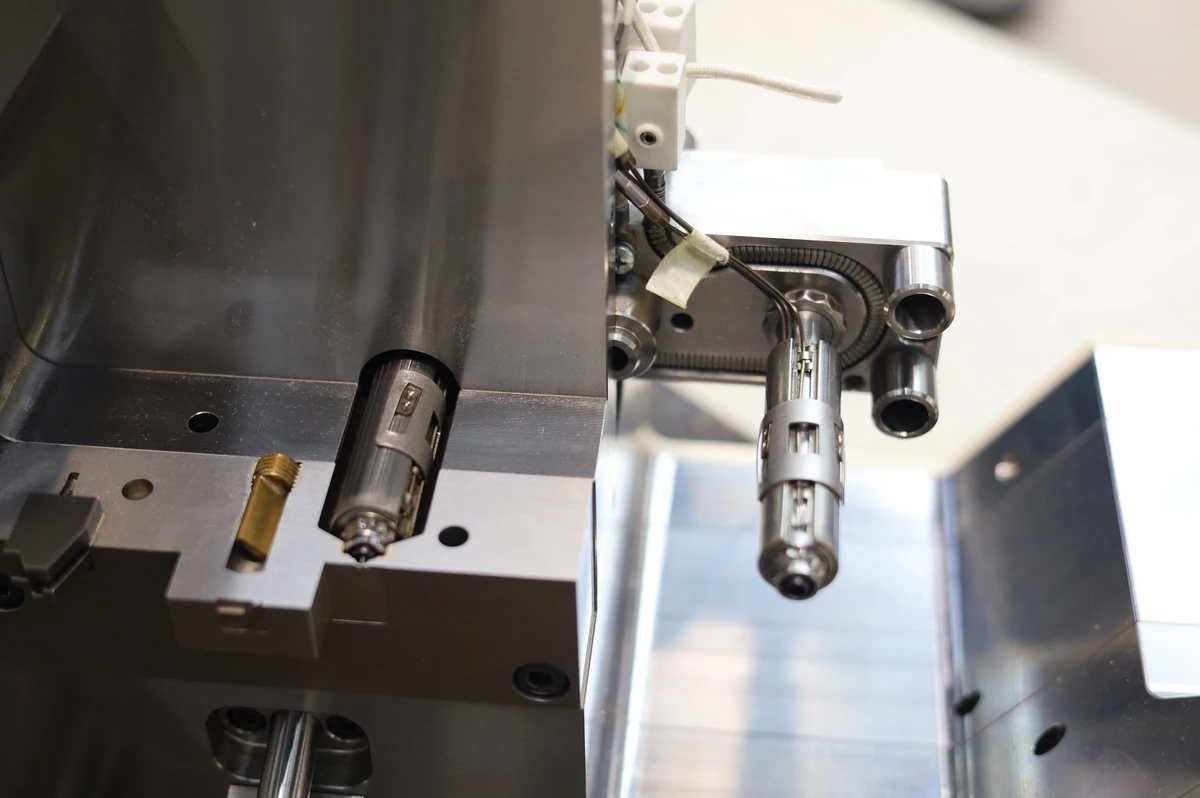
Precision-machined steel tooling and aligned locating features

MATERIALS, FINISH & ACCEPTANCE

Specify the component for its operating environment.

Material selection should follow the operating environment. Aluminum, steels, copper alloys, and engineering plastics each offer different tradeoffs in weight, strength, wear, and cost.

  • Finishes can be matched to corrosion needs, cosmetic expectations, or wear surfaces. We review whether coating build-up affects threaded or mating features.
  • Inspection can prioritize the custom features that drive fit and performance, with documentation agreed during quotation.
Discuss Your Requirements

PROJECT QUESTIONS

Before you send the drawing

Do I need a fully released production drawing?

A preliminary model is enough to start a manufacturing discussion. A controlled drawing is useful before final production.

Can you review a part that needs more than one process?

Yes. Share the complete part and we can discuss milling, turning, finishing, and assembly considerations together.

What if the material is not decided?

Describe the load, environment, appearance, and budget constraints so material options can be compared.

ENGINEERING PLANNING REFERENCE

Put numbers on the requirements.

Industry benchmarks for preparing your RFQ. The drawing review confirms the manufacturing route, capability and delivery schedule.

±0.10 mm

General metal features

A useful general-tolerance discussion point. State the drawing standard and dimension range; one blanket value does not cover every feature.

±0.01 mm

Selected critical features

A precision target for review, not a default for the whole part. Material, geometry, setup, temperature and measurement method matter.

3 / 4 / 5

Axis strategy

Compare 3-axis, indexed and simultaneous machining around tool access and datum control. The quotation confirms the proposed route.

1 / 10 / 100

Quantity comparisons

Use these RFQ quantities to compare prototype, pilot and repeat-part pricing. These are planning scenarios, not a stated MOQ.

5–10 days

Prototype schedule discussion

An initial manufacturing-window assumption for simple, stock-material parts. Finishing, inspection, capacity and shipping require separate confirmation.

Ra 3.2 µm

Surface requirement example

An as-machined roughness discussion point. Identify functional faces; sealing, bearing and cosmetic surfaces may need different requirements.

Send overall dimensions and critical features for feasibility review. Production lead time starts from the agreed release conditions; transit time is separate.

LET’S TALK ABOUT YOUR PART

Bring your drawing.
Define the next step.

Material, quantity, finish and critical features — start with what you know.

Call UsWhatsApp