
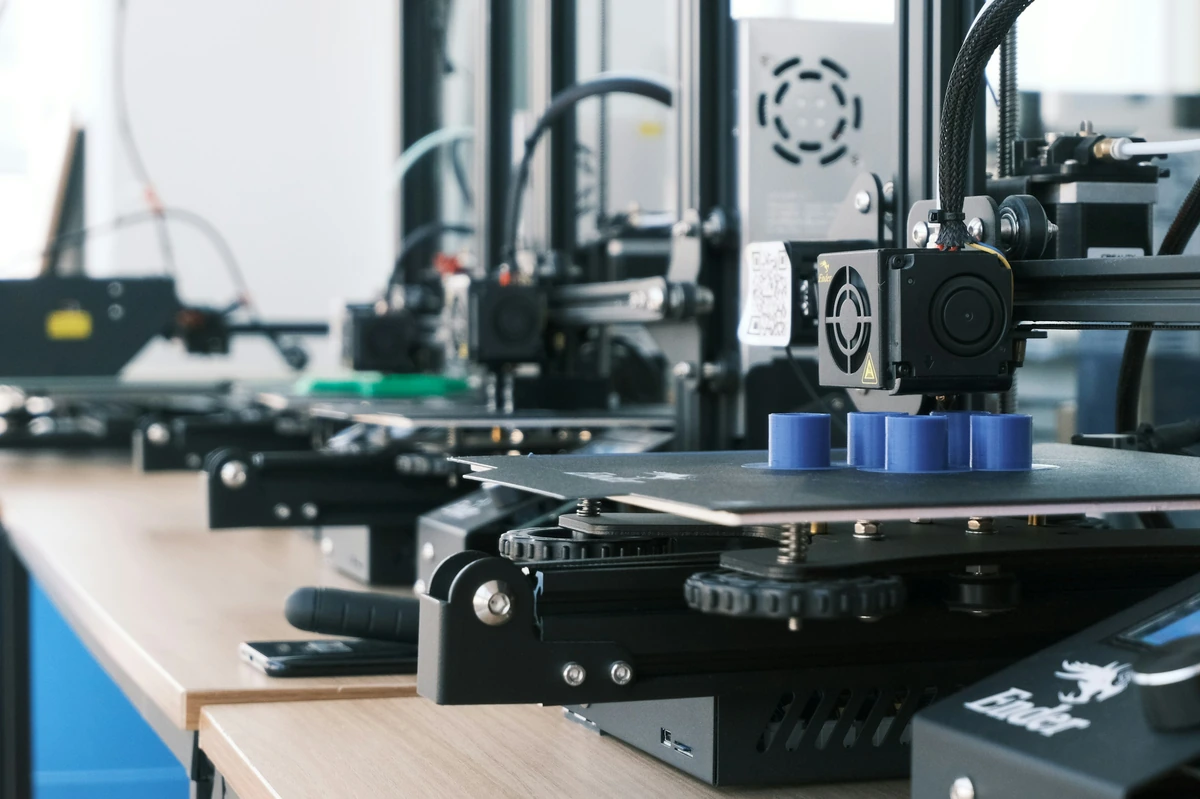
A prototype and a low volume production part may look identical, but the planning questions differ. A prototype is often meant to answer a design question. A repeat order needs a stable specification and a process that can produce the same functional result again.
Prototype for learning
Early parts can check fit, motion, handling, or thermal behavior. The design may still change, so flexible workholding and focused inspection can be more valuable than optimizing every cycle. Make clear which dimensions are exploratory and which must already meet final intent.
Prepare for repeat orders
Once a design is stable, document revisions, materials, finishes, and acceptance criteria. Repeated setups can benefit from fixture planning and a consistent inspection method. The best moment to do that work is before the first repeat order, not after a mismatch appears.
Keep the transition visible
Record what changed during prototyping and why. If a drawing has moved from a development revision to a released revision, make that obvious in the purchase request. Discuss expected annual demand because a likely repeat order can influence the initial process plan.
A practical handoff
Send the final model, drawing revision, approved material, finish, quantity, and any lessons from prototype testing. Those details turn an experimental part into a controlled order.
Compare the next decision, not just the unit price
Prototype → pilot → repeat
Prototype: test the uncertain fit, assembly or function with the smallest useful build.
Pilot: verify the drawing, fixture strategy and acceptance plan over a limited batch.
Repeat: stabilize revisions, material records and the reorder specification.
As an example RFQ exercise, request separate prices for 1, 10 and 100 pieces using the same material, finish and inspection scope. These quantities are comparison scenarios rather than universal process thresholds. Changing the drawing between those scenarios prevents a fair comparison.
Find a break-even point using actual quotations
For two manufacturing routes, compare total cost as setup or tooling cost plus quantity multiplied by variable cost per part. If Route A has a higher initial cost but a lower unit cost, its approximate break-even quantity is the difference in initial costs divided by the difference in variable costs. This only works when the drawings, quality requirements and delivery assumptions are comparable.
Include fixture maintenance, tool changes, first-sample approval, inspection, finishing, freight and expected design revisions where relevant. There is no universal quantity at which molding is better than machining; geometry, resin, tooling and future changes can reverse the result.
Release a repeat build with fewer ambiguities
Confirm the approved revision and sample, then record critical features, material substitution rules, finish, packaging and acceptance documents. Repeat orders should reference this agreed specification. A production forecast helps planning, but it is not a commitment unless the commercial agreement says it is.